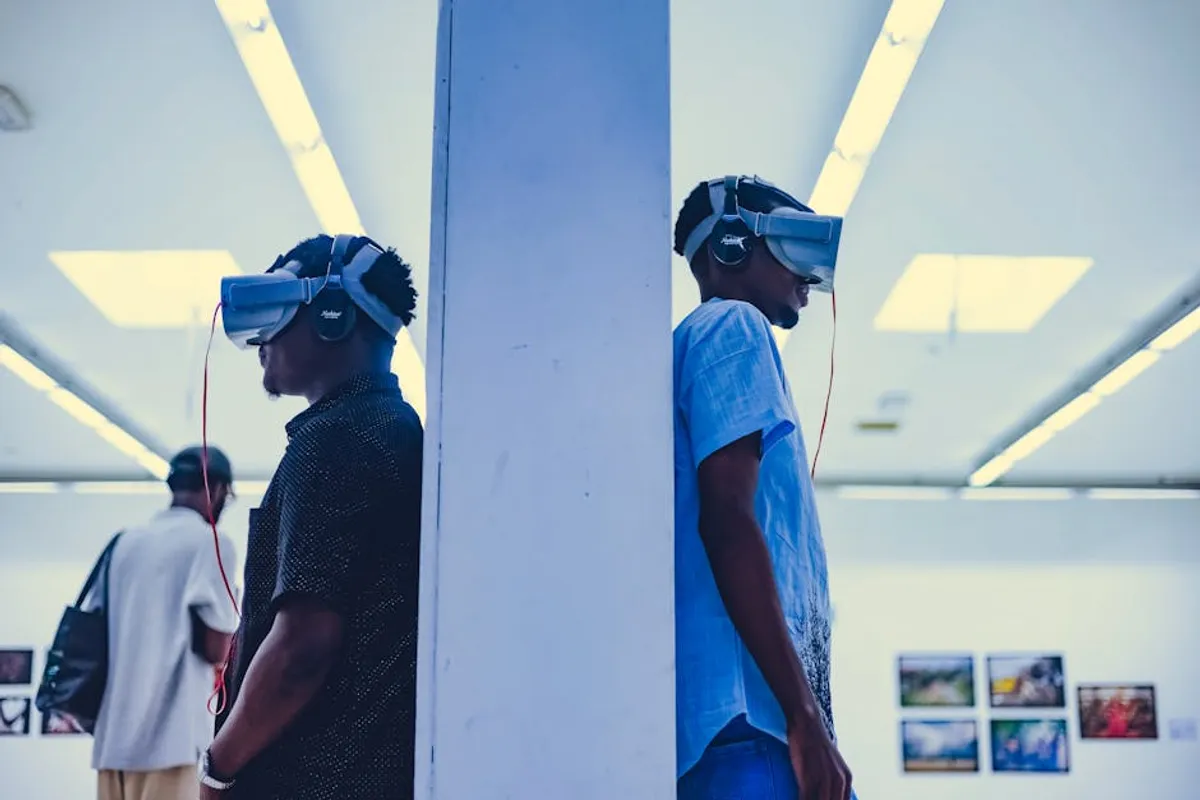
Entering the field of art and culture photography presents unique opportunities and challenges. Unlike general landscape or portraiture, this niche demands a nuanced approach to composition, lighting, and subject interaction. Beginners often face hurdles in capturing the essence of a live performance, the intricate details of an artwork, or the atmosphere of a cultural event without disrupting the experience or misrepresenting the subject. This guide provides actionable advice for developing the skills necessary to produce impactful and respectful images, focusing on practical techniques that yield professional-quality results from the outset.
Essential Gear for Art and Culture Photography
While advanced equipment can offer advantages, beginners can achieve significant results with a thoughtful selection of fundamental tools. Prioritize versatility and reliability over sheer expense.
- Camera Body: A mirrorless or DSLR camera with manual controls is crucial. This allows for precise adjustments to aperture, shutter speed, and ISO, which are indispensable in varied lighting conditions found in galleries, theaters, or outdoor cultural events.
- Lenses:
- Standard Zoom (e.g., 24-70mm or 18-55mm kit lens): Offers flexibility for different perspectives, from wider shots of venues to tighter compositions of artworks or performers. Look for lenses with a wider maximum aperture (f/2.8 or f/4) for better low-light performance.
- Prime Lens (e.g., 50mm f/1.8): An inexpensive prime lens provides excellent low-light capability and shallow depth of field, ideal for isolating subjects or creating artistic blur. Its fixed focal length encourages thoughtful composition.
- Tripod/Monopod: Essential for stability in low light, especially when photographing static art or long exposures of performances. A monopod offers more mobility in crowded spaces.
- Spare Batteries and Memory Cards: Cultural events can be lengthy, and art exhibits can inspire extensive shooting. Sufficient power and storage prevent missed opportunities.
Avoid: On-camera flash. Its harsh light often destroys the ambient mood, creates distracting reflections on art, and can be disrespectful in performance settings.
Mastering Composition and Lighting
Effective composition and controlled lighting are the cornerstones of compelling art and culture photography. These principles guide the viewer's eye and convey the intended narrative.
Composing for Impact
Consider how elements within the frame interact to tell a story or highlight a subject's significance.
- Rule of Thirds: Position key subjects or points of interest along the intersecting lines or at the intersections of a tic-tac-toe grid superimposed on your frame. This creates a more dynamic and balanced image than centering every subject.
- Leading Lines: Utilize natural or architectural lines within a scene (e.g., a gallery wall, a path at a festival, the gaze of a performer) to draw the viewer's eye towards your main subject.
- Framing: Use elements within the scene (e.g., doorways, arches, tree branches) to naturally frame your subject, adding depth and context.
- Negative Space: Deliberately include empty or less detailed areas around your subject to emphasize it and create a sense of calm or isolation. This is particularly effective for minimalist art installations.
Controlling Light
Natural light is almost always preferred. Understand its direction, intensity, and color temperature.
Pro Tip: When photographing static art in museums or galleries, pay close attention to reflections. Move around the artwork to find an angle where overhead lights or windows do not create glare on the surface of paintings or glass enclosures. If possible, use a polarizing filter to further reduce reflections, though this may slightly reduce light transmission.
For performances, available light is often low and challenging. Increase your ISO sensitivity carefully to maintain a fast enough shutter speed to freeze motion, while monitoring noise levels. A wider aperture (lower f-number) will also gather more light.
Photographing Diverse Subjects
The art and culture genre encompasses a broad range of subjects, each requiring specific technical and contextual considerations.
Capturing Live Performances and Events
These dynamic situations demand quick reflexes and an understanding of movement.
- Anticipate Moments: Observe the performance for a few minutes before shooting to understand its flow, key expressions, and dramatic peaks.
- Shutter Speed: Use a fast shutter speed (e.g., 1/250s or faster) to freeze motion. If artistic blur is desired for movement, experiment with slower speeds while panning.
- Continuous Autofocus: Utilize your camera's continuous autofocus mode (AI Servo on Canon, AF-C on Nikon/Sony) to track moving subjects effectively.
- High ISO: Be prepared to increase ISO to compensate for low stage lighting. Modern cameras handle higher ISOs with less noise than older models.
Documenting Static Artworks and Exhibitions
Precision and accurate representation are paramount here.
- Even Lighting: Aim for consistent, diffuse lighting across the artwork to avoid harsh shadows or highlights. If natural light is uneven, consider a tripod and longer exposure.
- White Balance: Ensure accurate color representation. Use a custom white balance setting or shoot in RAW format to adjust it precisely in post-processing.
- Straight Lines: Use a tripod and a level to ensure your camera is perfectly parallel to the artwork, avoiding distortion that makes paintings appear trapezoidal.
- Detail Shots: Don't just capture the whole piece. Focus on intricate details, textures, or artist signatures to provide a richer visual narrative.
Post-Processing for Enhancement, Not Alteration
Post-processing is an integral part of photography, but in art and culture, the goal is often to enhance realism and visual clarity, not to create artificial effects.
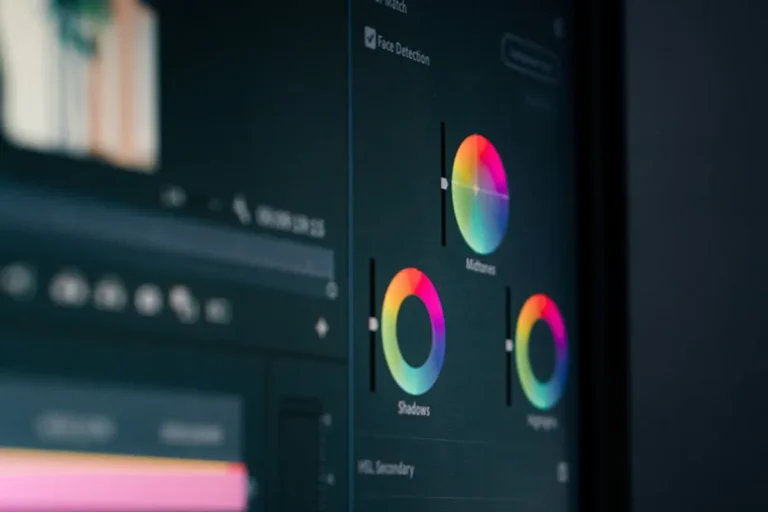
- Color Correction: Adjust white balance and color saturation to accurately reflect the original colors of the art or scene.
- Exposure and Contrast: Fine-tune brightness and contrast to reveal details in both highlights and shadows, ensuring the image has visual depth.
- Sharpening: Apply subtle sharpening to bring out fine details, especially important for intricate artworks or textures.
- Cropping: Use cropping to refine composition, remove distractions, or emphasize a specific element. Maintain ethical standards by not cropping in a way that misrepresents the art or event.
- Noise Reduction: Apply noise reduction judiciously for high-ISO images, balancing noise removal with detail preservation.
Ethical Considerations and Respect
Photographing art and culture often involves public spaces, private institutions, and sensitive subjects. Adhering to ethical guidelines is non-negotiable.
- Permission and Rules: Always check photography policies before entering museums, galleries, or cultural sites. Some venues prohibit photography entirely, others restrict flash or tripods. Respect these rules.
- Respect for Performers and Audiences: Be discreet when shooting live events. Avoid blocking views, making distracting noises, or using flash. Focus on capturing candid moments without intruding.
- Cultural Sensitivity: When photographing cultural events or people, be mindful of local customs and traditions. Seek permission before taking close-up portraits, especially in traditional or indigenous settings. Understand the context of what you are documenting to avoid misrepresentation.
- Intellectual Property: Be aware that art itself is often copyrighted. While photographing art for personal use or documentary purposes is generally acceptable, commercial use may require additional permissions.
Developing Your Artistic Eye
Beyond technical skills, cultivating an artistic eye is crucial. Regularly visit museums, attend cultural events, and study the work of established art and cultural photographers. Analyze their composition, use of light, and storytelling. Practice consistently, experiment with different perspectives, and seek feedback to refine your craft. The goal is not merely to record what you see, but to interpret and convey its significance through your lens.
Frequently Asked Questions
Q: Is a full-frame camera necessary for art and culture photography?
A: No, a full-frame camera is not necessary for beginners. A crop-sensor (APS-C) camera provides excellent image quality and capabilities, especially when paired with good lenses. The technical skills and artistic vision are more critical than sensor size.
Q: How do I deal with low light in museums without using flash?
A: To manage low light, use a wide-aperture lens (f/2.8 or lower), increase your camera's ISO sensitivity, and utilize a tripod or monopod for stability to allow for slower shutter speeds. Shooting in RAW format provides more flexibility for exposure adjustment in post-processing.
Q: Can I use my smartphone for art and culture photography?
A: Modern smartphones have advanced cameras capable of good results in ideal conditions. However, their limitations in low light, dynamic range, and manual control make them less versatile than dedicated cameras for professional-level art and culture photography. They can be useful for casual shots or scouting locations.
Q: What's the best way to get permission to photograph in a restricted venue?
A: Contact the venue's press office, marketing department, or management well in advance of your visit. Clearly state your intent, the purpose of your photography, and what equipment you plan to use. Be prepared to provide examples of your work if requested.