Covering local art festivals offers a direct conduit to community engagement and unique content opportunities for any publisher or brand seeking to establish local authority. This isn't merely about reporting on an event; it's about translating ephemeral cultural experiences into evergreen, discoverable content that resonates with a specific audience. The objective is to move beyond superficial event listings and instead craft narratives that capture the essence of local artistic expression, driving both immediate traffic and sustained interest. A strategic approach ensures content not only performs well in search but also builds genuine connections with local audiences and artists.
Pre-Festival Planning and Research
Effective festival coverage begins long before the first brushstroke or sculpture unveiling. Thorough research and strategic planning are critical for identifying compelling angles and securing necessary access.
Identifying Key Events and Artists
Begin by mapping out the local festival calendar at least two to three months in advance. Prioritize festivals that align with your content niche or target audience's interests. For each selected festival, delve into its history, recurring themes, and featured artists. Look for emerging talents, legacy artists, or unique installations that offer distinct storytelling potential. Consult previous festival programs, local arts council directories, and artist portfolios. This early reconnaissance allows for targeted outreach and the development of specific content hypotheses.
Understanding Festival Themes and Audience Demographics
Each festival possesses a unique character and attracts a specific demographic. Research the festival's stated mission, its curatorial themes, and the types of art typically showcased. Is it a contemporary sculpture exhibition, a traditional craft fair, or a multidisciplinary performance art series? Understanding these nuances informs your content's tone and focus. Analyze past attendance figures, social media engagement, and any available demographic data to tailor your content for the likely attendees. For instance, a family-friendly craft festival demands different content angles and visual styles than an avant-garde art installation.
Securing Access and Interviews
Proactive outreach to festival organizers is essential for securing media passes, interview opportunities, and logistical support. Submit media accreditation requests well in advance of deadlines, providing clear justification for your coverage. When requesting interviews, be specific about the artists, curators, or organizers you wish to speak with and outline your proposed topics. A well-prepared interview plan, including open-ended questions, ensures valuable soundbites and insights. Establishing these relationships early can also lead to exclusive access or behind-the-scenes content that differentiates your coverage.
Content Creation Strategies During the Festival
On-site execution requires agility, a keen eye for detail, and a multi-format approach to capture the dynamic atmosphere of an art festival.
On-Site Coverage Techniques
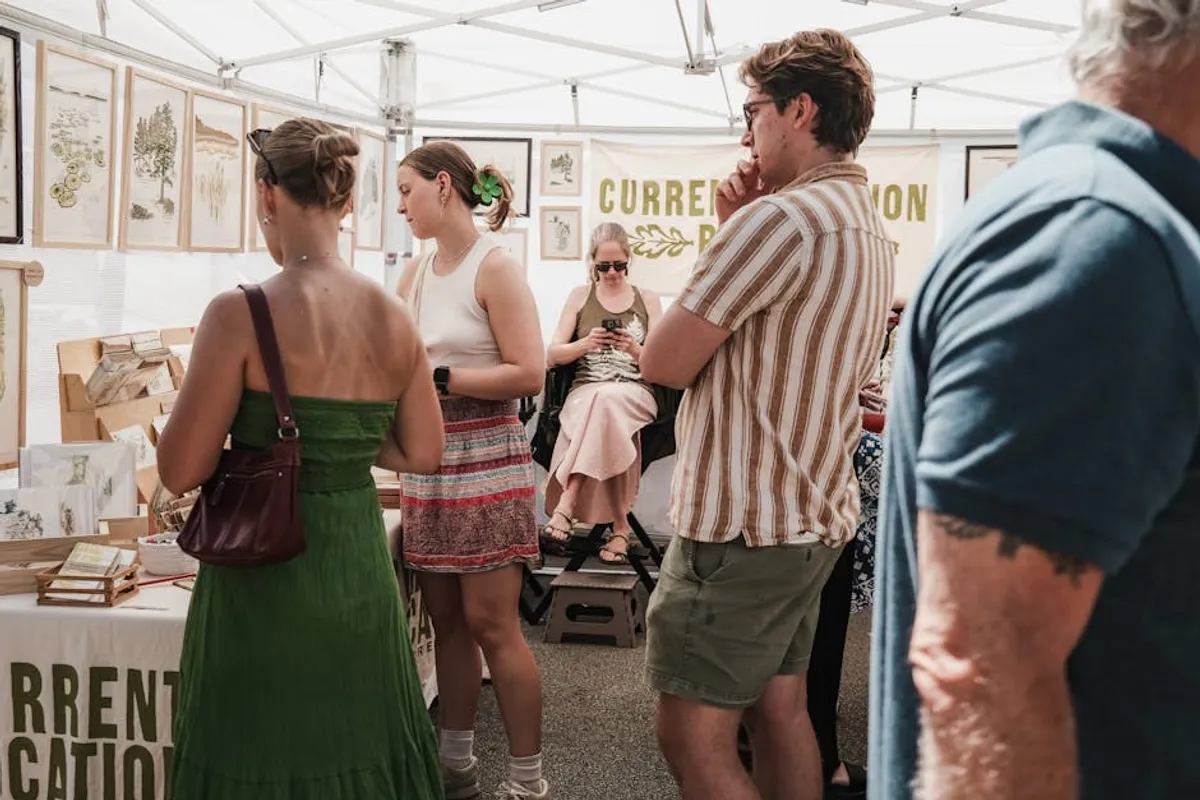
Focus on capturing the sensory experience of the festival. Beyond static art pieces, document the interactions between artists and attendees, the creative process (if visible), and the overall ambiance. Use a combination of wide shots to establish context and close-ups to highlight intricate details or emotional expressions. Pay attention to natural light and composition to produce visually engaging content. Always obtain consent before featuring individuals prominently in photos or videos, especially children.
Pro Tip: Prioritize capturing the "story behind the art." While visual documentation of finished pieces is important, interviews with artists discussing their inspiration, process, and challenges provide depth and human connection that static images often miss. These narratives are highly shareable and foster deeper audience engagement.
Multimedia Integration
A diverse content mix maximizes reach and appeal.
- Photography: High-resolution images are non-negotiable. Capture a variety of shots: overall festival atmosphere, individual artworks, artist portraits, and audience reactions.
- Video: Short-form video (1-3 minutes) for social media, longer-form interviews for article embeds. Focus on motion, sound, and quick cuts to maintain viewer interest.
- Audio: Record ambient sounds of the festival, snippets of artist talks, or short audio interviews. These can be integrated into articles or used for podcasts.
- Live Streams: Consider short live streams on platforms like Instagram or Facebook for immediate engagement, offering a real-time glimpse into the festival.
Live Reporting and Social Engagement
Leverage social media for real-time updates and audience interaction. Use relevant festival hashtags, geotag locations, and tag official festival accounts and featured artists. Post short, engaging snippets—photos, quick videos, or quotes—throughout the day. Encourage followers to share their own experiences and use user-generated content (with permission) to amplify reach. Monitor comments and messages to respond promptly, fostering a sense of community around your coverage.
Post-Festival Content Development and Distribution
The festival concludes, but the content opportunity persists. Post-event strategies are crucial for maximizing the longevity and impact of your coverage.
Crafting Compelling Narratives
Transform raw footage and notes into cohesive, engaging stories. Move beyond simple recaps; analyze themes, highlight standout artists, or explore the festival's broader cultural significance. Structure articles with strong introductions, clear body paragraphs, and a reflective conclusion. Consider various content formats: artist profiles, thematic analyses, photo essays, or "best of" lists. The goal is to provide value that extends beyond the event's immediate timeframe.
SEO Optimization for Discoverability
Ensure your post-festival content is discoverable through search engines. Conduct keyword research for terms related to the festival, local art, specific artists, and art genres. Incorporate these keywords naturally into titles, headings, image alt text, and body copy. Optimize meta descriptions and URLs. Implement schema markup for events or articles where applicable to enhance rich snippet potential. Internal linking to related content on your site and external linking to official festival pages or artist portfolios can also improve authority signals. Incorporating these keywords naturally can also help readers discover related articles, such as those covering best creative blog topics for art and culture sites.
Leveraging Local Partnerships
Extend the reach of your content by collaborating with local entities. Share your articles and multimedia with festival organizers, artists, local tourism boards, and community groups. They often have established networks and may amplify your content to their audiences. Consider co-creating content or cross-promoting with other local media outlets or cultural organizations. These partnerships not only expand distribution but also reinforce your commitment to local cultural coverage.
Maximizing Impact and Reach
To ensure your art festival coverage delivers lasting value, focus on strategic amplification and repurposing. Distribute your content across all relevant channels, including your website, social media platforms, email newsletters, and local community forums. Repurpose longer articles into shorter social media threads, infographics, or podcast segments. Monitor engagement metrics to understand what resonates most with your audience, informing future coverage decisions. By consistently delivering high-quality, locally relevant content, you build a reputation as a trusted voice in the local arts scene, fostering community loyalty and sustained audience growth.
Frequently Asked Questions
How far in advance should I start planning for festival coverage?
Begin research and outreach at least two to three months before the festival date to secure media passes, interview slots, and understand the event's scope.
What types of content perform best for art festival coverage?
A mix of high-quality photography, short-form video interviews with artists, thematic articles, and real-time social media updates typically yields the best engagement.
Is it necessary to get permission to photograph attendees?
While general crowd shots in public spaces are usually acceptable, always seek explicit permission before taking close-up photos or videos of individuals, especially if they are identifiable.
How can I make my festival coverage stand out from other local media?
Focus on unique angles, delve into the stories behind the art and artists, and integrate multimedia elements that capture the festival's atmosphere beyond simple factual reporting.