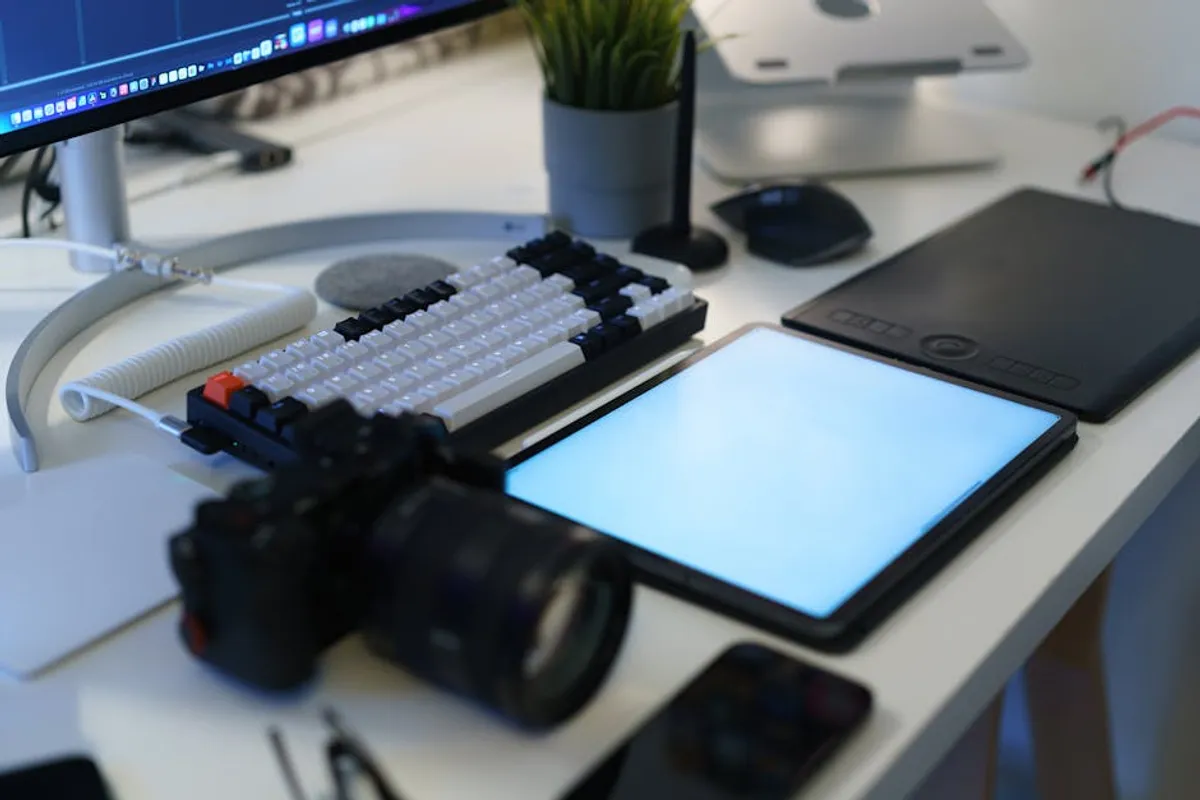
Beginning a journey into art photography requires a distinct approach compared to purely commercial or documentary work. The objective shifts from capturing an objective reality or fulfilling a client brief to expressing a personal vision, evoking emotion, or making a statement. For beginners, this means understanding not just camera settings, but also the intent behind each frame, and how to cultivate a unique aesthetic that resonates with an audience, potentially leading to exhibitions, print sales, or commissioned work.
Defining Art Photography for the Beginner
Art photography prioritizes creative expression over literal representation. While technical proficiency remains valuable, the core focus is on the photographer's interpretation of a subject or concept. This often involves a deliberate departure from conventional photographic norms to convey a specific mood, idea, or feeling.
Subjectivity and Personal Vision
Unlike photojournalism, which aims for objectivity, art photography thrives on subjectivity. The photographer's unique perspective, life experiences, and emotional responses heavily influence the final image. For beginners, this means moving beyond simply documenting what's in front of the lens and asking: "What am I trying to say?" or "What feeling do I want to evoke?" This introspective process is fundamental to developing a signature style.
Beyond Technical Perfection
While sharp focus and perfect exposure are often goals in other genres, art photography sometimes embraces intentional blur, grain, or unconventional framing to achieve its expressive aims. Understanding when and why to deviate from technical 'rules' is a hallmark of artistic control. It's about making informed choices that serve the artistic intent, rather than adhering to a rigid formula.
Essential Tools for Artistic Expression
You don't need the most expensive gear to start creating art photography. A solid understanding of fundamental equipment and its capabilities is more impactful than an extensive, unused kit.
Camera Body and Lenses
Best for: Learning manual control and depth of field.
Any DSLR or mirrorless camera offering manual control (M mode) will suffice. This allows direct manipulation of aperture, shutter speed, and ISO, which are crucial for artistic expression. For lenses, a versatile prime lens (e.g., 50mm f/1.8) is often recommended. Its fixed focal length encourages thoughtful composition, while its wide aperture provides excellent low-light performance and shallow depth of field for isolating subjects.
Tripods and Lighting Modifiers
Best for: Controlled environments and specific effects.
A sturdy tripod is invaluable for long exposures, precise framing, and maintaining consistency when experimenting with light. Simple lighting modifiers, such as reflectors or diffusers, can shape natural light, transforming harsh shadows into soft gradients or adding directional emphasis. These tools offer control over light, a primary element in artistic photography.
Core Principles and Artistic Application
Foundational photographic principles take on new significance when applied with artistic intent. They become tools for expression rather than mere guidelines.
Compositional Techniques
- Rule of Thirds: While a common starting point, art photography often explores breaking this rule for dramatic effect, placing subjects centrally or on edges to create tension or balance.
- Leading Lines: Used to guide the viewer's eye through the frame, directing attention to the focal point or creating a sense of depth and movement.
- Framing: Utilizing natural elements (doorways, windows, branches) to create a "frame within a frame," drawing focus to the subject and adding context.
- Negative Space: Deliberately leaving areas empty to emphasize the subject, create a minimalist aesthetic, or evoke a sense of isolation or calm.
Mastering Light and Shadow
Light is the painter's brush in photography. Understanding its quality (hard vs. soft), direction (front, side, back), and color temperature allows photographers to sculpt subjects, create mood, and add dimension. Shadows are equally important, providing depth, mystery, and contrast. Artistic photographers often manipulate light and shadow to heighten emotional impact or abstract forms.
Color Theory and Mood
Color choices profoundly influence the emotional response to an image. Understanding complementary colors, analogous schemes, and monochromatic palettes enables photographers to create harmony, contrast, or specific moods. Desaturated tones might evoke nostalgia, while vibrant hues could convey energy. Intentional color management, both in-camera and during post-processing, is a powerful artistic lever.
Pro Tip: Don't just take pictures; make pictures. Before pressing the shutter, pause and articulate your intent. What emotion are you trying to convey? What story are you telling? This deliberate approach transforms snapshots into artistic statements.
Developing Your Artistic Voice
Finding your unique artistic voice is an ongoing process of exploration and refinement.
Inspiration and Exploration
Look beyond photography. Study painting, sculpture, literature, and music. Analyze how other artists convey emotion, narrative, or abstract ideas. Visit art galleries, read books on art history, and engage with diverse cultural expressions. This broad exposure helps to internalize aesthetic principles and inform your photographic perspective.
Experimentation and Iteration
Dedicate time to experimentation. Try different lenses, perspectives, lighting conditions, and post-processing techniques without the pressure of a perfect outcome. Shoot the same subject multiple times, varying only one element each time. Review your work critically, identifying what resonates and what falls flat. Each iteration refines your vision.
Post-Processing as an Artistic Tool
Editing is not merely corrective; it's an integral part of the artistic process, allowing for the final shaping of your vision.
Software Choices
Best for: Non-destructive editing and creative manipulation.
Software like Adobe Lightroom or Capture One offers robust tools for global and local adjustments. Programs such as Adobe Photoshop provide advanced layering and compositing capabilities for more complex artistic expressions. Begin with a non-destructive workflow to preserve original files and allow for iterative adjustments.
Intentional Adjustments
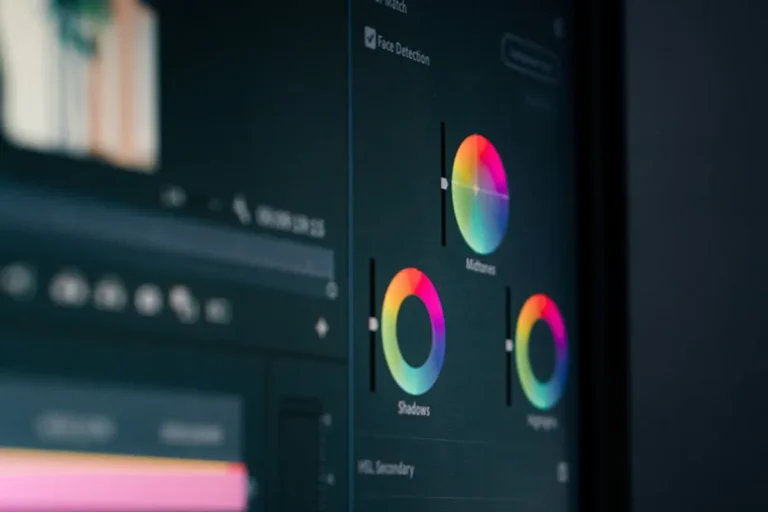
Every adjustment in post-processing—from exposure and contrast to color grading and dodging/burning—should serve your artistic intent. Rather than applying generic filters, make specific choices to enhance mood, emphasize detail, or abstract elements. This is where your personal vision truly comes to fruition, transforming the captured image into a finished artwork.
Cultivating Your Artistic Practice
Consistent effort and engagement are crucial for growth in art photography. Regular practice, critical self-assessment, and seeking external feedback will accelerate your development. Consider joining local photography groups or online communities to share your work and learn from others. Participating in themed challenges can push creative boundaries, while preparing for a small exhibition, even a virtual one, provides a tangible goal and forces a cohesive body of work.
Frequently Asked Questions
What distinguishes art photography from other types of photography?
Art photography prioritizes the photographer's personal expression, emotional intent, and unique interpretation over strict documentation or commercial objectives. It often aims to evoke a feeling or convey an idea rather than simply capture reality.
Do I need an expensive camera to start in art photography?
No. While advanced cameras offer more features, a basic DSLR or mirrorless camera with manual controls is sufficient. A fundamental understanding of light, composition, and your creative vision is far more important than high-end equipment.
How can I develop my unique artistic style?
Developing your style involves consistent experimentation, studying various art forms, critically reviewing your own work, and actively seeking inspiration. Focus on what genuinely interests you and how you can translate that into visual narratives.
Where can I share my art photography work?
Platforms like Instagram, Flickr, Behance, or personal websites are excellent for sharing. Consider local art fairs, community galleries, or online photography contests to gain exposure and receive feedback.