Understanding emerging art trends for 2026 is critical for strategic planning across the art ecosystem. Galleries and auction houses require foresight to curate compelling exhibitions and identify marketable artists. Collectors and investors benefit from early trend identification to make informed acquisition decisions, potentially enhancing portfolio value. Artists need this insight to align their practice with evolving market demands and cultural dialogues, securing relevance and commercial viability. This forward-looking perspective moves beyond reactive observation, enabling proactive engagement with the forces shaping the future art market and its audience.
Digital Art's Evolving Role Beyond Speculation
The initial fervor around NFTs has matured, shifting focus from speculative asset trading to the intrinsic artistic and technological capabilities of digital mediums. By 2026, expect a stronger emphasis on generative art, AI-assisted creation, and immersive digital experiences that leverage virtual and augmented reality. The commercial opportunity lies in the accessibility and scalability of these formats, reaching new audiences and enabling novel forms of patronage.
- Generative Art Platforms: Algorithms creating unique, evolving artworks, often with collector input, offering a new form of limited edition.
- AI Co-Creation: Artists collaborating with AI models to push creative boundaries, resulting in pieces that challenge traditional authorship.
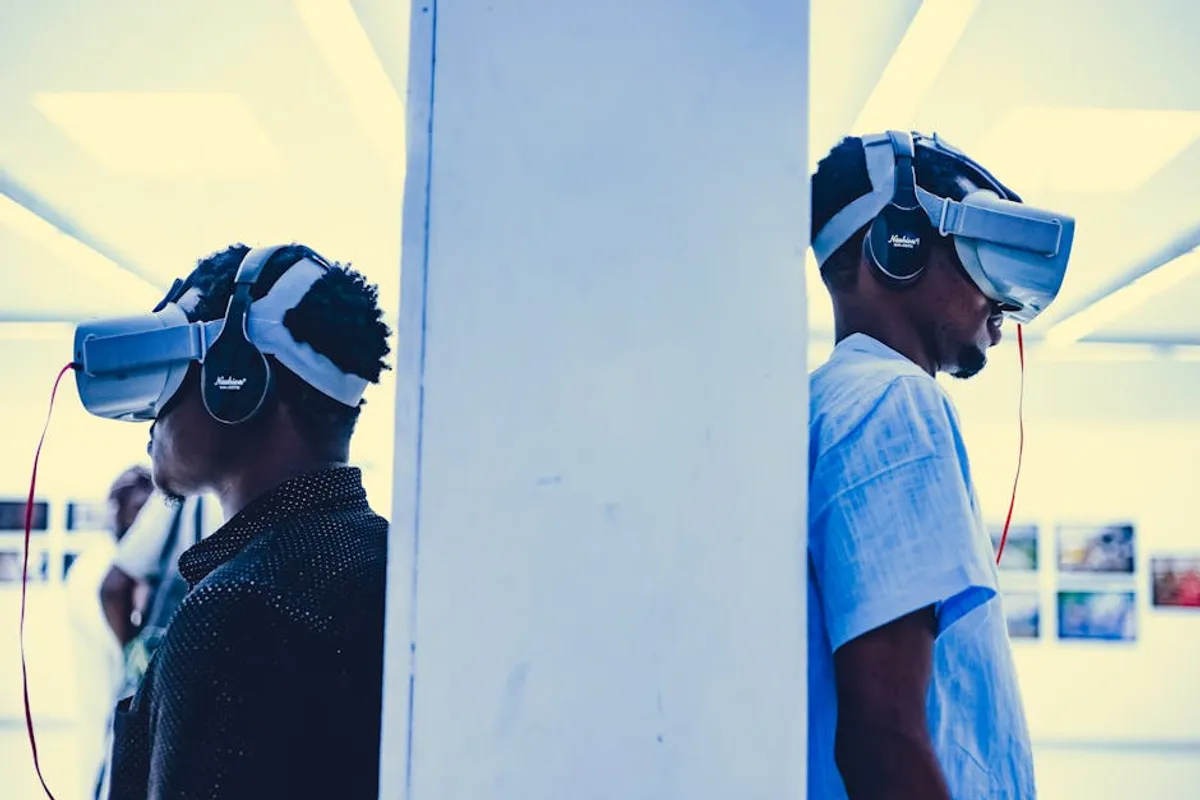
- Immersive Installations: Digital art experienced within VR/AR environments or large-scale projections, transforming physical spaces.
- Blockchain Utility: Beyond ownership, blockchain will secure provenance, manage royalties for artists, and facilitate fractional ownership of high-value digital works.
Commercial Impact: Galleries can develop hybrid exhibition models, integrating digital displays with physical works. Artists gain new tools for expression and distribution, bypassing traditional gatekeepers. Collectors can diversify portfolios with dynamic, interactive assets that possess both aesthetic and technological value.
Sustainable and Regenerative Practices
Environmental consciousness is no longer a niche concern but a foundational principle influencing artistic production and consumption. By 2026, the art world will increasingly value sustainability, not just in material choice but throughout the entire lifecycle of an artwork and exhibition. This includes sourcing, production, transportation, and display, favoring practices that minimize ecological impact and even contribute to environmental restoration.
Key Focus Areas:
Circular Economy in Art Production
Artists will prioritize repurposed, recycled, and biodegradable materials, embracing a circular model where waste is minimized, and materials are reused. This extends to the use of renewable energy in studios and exhibition spaces. Commercial appeal stems from ethical consumer demand and the narrative power of art that actively addresses climate change.
Art as Environmental Advocacy
Expect more art projects directly engaging with ecological issues, from climate migration to biodiversity loss, often involving scientific collaboration. These works attract institutional funding, public grants, and environmentally conscious patrons seeking art with social and ecological impact.
Commercial Impact: Galleries and museums can attract funding and visitors through exhibitions with strong sustainability narratives. Collectors can align their values with their investments, enhancing the ethical profile of their collections. Artists who integrate these practices gain a distinct market advantage and resonate with a growing segment of buyers.
Re-contextualized Historical Narratives
The re-examination of history through contemporary lenses will continue to be a powerful artistic trend. This involves artists delving into overlooked historical events, reinterpreting colonial legacies, amplifying marginalized voices, and challenging dominant historical perspectives. This trend moves beyond simple representation, focusing on critical engagement and historical redress.
Artistic Approaches:
Archival Interventions
Artists will engage with historical archives, documents, and artifacts, often creating new works that deconstruct or expand upon official histories. This research-based practice adds intellectual depth and academic interest to exhibitions.
Decolonial and Postcolonial Perspectives
Expect a surge in art that critically examines the impacts of colonialism, postcolonial identity, and indigenous perspectives, often from the viewpoint of those historically silenced. This resonates with global audiences seeking diverse narratives.
Commercial Impact: Institutions seeking to diversify their collections and programming will prioritize works that offer fresh historical insights. Collectors interested in culturally significant and socially resonant art will find value in these pieces. The educational and critical discourse surrounding such art enhances its long-term relevance and market value.
Experiential and Participatory Art
The demand for immersive and interactive experiences will shape art production, moving away from passive viewing towards active engagement. Artworks that invite audience participation, transform environments, or exist as temporary, event-based encounters will gain prominence. This trend responds to a desire for connection, shared experience, and personalized interaction.
Forms of Engagement:
Immersive Environments
Large-scale installations, often incorporating light, sound, and digital projections, that envelop the viewer and create a distinct sensory experience. These are powerful draws for public spaces and major exhibitions.
Community-Driven Projects
Artworks developed through collaboration with local communities, often addressing social issues or celebrating shared heritage. These foster deep engagement and generate local and international media attention.
Performance and Live Art
Ephemeral works that prioritize the live encounter, often exploring themes of identity, ritual, and human connection. While challenging to collect traditionally, documentation and specific performance rights can hold value.
Commercial Impact: Museums and galleries can attract new audiences and generate revenue through ticketed experiences and unique programming. Public art commissions will favor interactive and site-specific works that engage communities. For collectors, the value can lie in documentation, limited edition components, or the patronage of significant performance artists.
Pro Tip: When evaluating art trends for investment or collection, look beyond immediate hype. Focus on artists demonstrating a consistent, authentic engagement with a trend's core principles, rather than superficial adoption. Longevity and critical acclaim are built on genuine artistic vision, not fleeting market fads.
Strategic Application of Art Trends
For galleries, proactive trend analysis means curating exhibitions that anticipate rather than merely react to market shifts. This involves scouting artists whose practices align with these emerging directions and developing programming that educates and excites collectors. For collectors, understanding these trends informs a more discerning acquisition strategy, allowing for the identification of works with potential for sustained cultural and financial appreciation. Artists, in turn, can refine their practice, explore new mediums, and articulate their relevance within a dynamic art landscape, ensuring their work resonates with contemporary concerns and future audiences.
Frequently Asked Questions
How can galleries best leverage these art trends?
Galleries should focus on artist development, curating thematic exhibitions that connect with these trends, and investing in digital infrastructure for online viewing rooms and virtual experiences. Developing educational programs around sustainable practices or historical re-contextualization also attracts new audiences.
What are the risks for collectors investing in emerging trends?
The primary risk is market volatility and the potential for certain trends to be fleeting. Mitigate this by researching artists' long-term critical reception, understanding the intellectual rigor behind their work, and diversifying your collection beyond a single trend.
How can artists adapt their practice to these evolving trends?
Artists can explore new materials and technologies, engage with interdisciplinary collaborations, and actively participate in cultural dialogues around sustainability, history, and social engagement. Authenticity in addressing these themes is key for long-term relevance.
Will traditional art forms become obsolete with new trends?
No, traditional art forms like painting and sculpture will continue to hold value. However, their relevance may increasingly be tied to how they engage with contemporary themes, incorporate innovative techniques, or interact with digital and experiential elements.