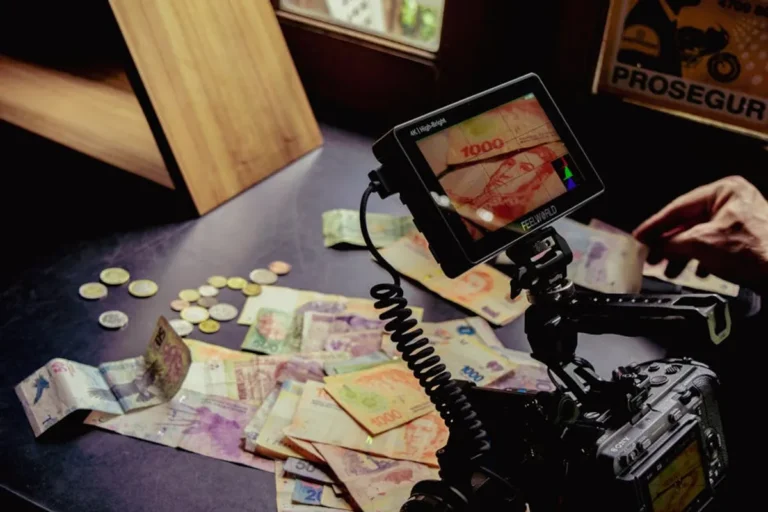

Capturing the essence of a destination goes beyond simple snapshots. For publishers and content creators, travel and cultural photography represents a critical opportunity to engage audiences deeply, convey authentic narratives, and differentiate content in a crowded digital landscape. The right photographic approach transforms a generic travelogue into a compelling visual story, driving higher engagement, longer dwell times, and stronger brand association. This requires a deliberate choice of focus, understanding that each photographic idea serves distinct commercial and storytelling objectives. The following section outlines various photographic ideas, detailing their specific applications, advantages, and challenges, enabling a strategic selection tailored to your content goals.
Strategic Approaches to Travel & Culture Photography
Before diving into specific ideas, consider the overarching narrative you aim to construct. Effective travel and culture photography isn't merely about documenting what you see; it's about interpreting a place or tradition through a unique lens. This involves understanding your target audience's interests, the specific message your content intends to convey, and the technical and logistical feasibility of each approach. Prioritize ideas that align with your content strategy, whether that’s showcasing local life, architectural grandeur, culinary traditions, or the raw beauty of natural landscapes. Evaluate each idea not just for its aesthetic appeal, but for its capacity to generate unique, shareable content that resonates with cultural depth and commercial value.
1. Street Photography
Street photography focuses on candid moments of daily life in public spaces, capturing unposed interactions, expressions, and the spontaneous rhythm of a city or town. This approach excels at conveying authenticity and the genuine atmosphere of a location, often revealing unexpected narratives. It requires quick reflexes, a keen eye for human behavior, and the ability to blend into the environment without disrupting the scene. The commercial value lies in its raw, unfiltered portrayal of local culture, making content feel immediate and relatable.
Best for: Documenting urban life, local character, candid human interaction, and spontaneous cultural moments. Ideal for travel blogs, photojournalism, and social media content aiming for authenticity.
Pros:
- High authenticity and emotional resonance, capturing genuine moments.
- Requires minimal equipment, often just a compact camera or smartphone.
- Provides unique, unrepeatable shots that stand out from staged photography.
- Excellent for illustrating daily routines and the "feel" of a place.
Cons:
- Can be challenging to obtain clear, compelling shots without disturbing subjects.
- Ethical considerations around privacy and consent are paramount and require careful navigation.
- Results are often unpredictable, requiring patience and numerous attempts.
- May not be suitable for all cultural contexts where public photography is sensitive.
Verdict: A powerful method for conveying the true pulse of a destination, demanding discretion and a strong understanding of cultural nuances to yield impactful, commercially viable imagery.
2. Architectural & Urban Details
This idea zeroes in on the built environment, from grand historical landmarks to intricate patterns on modern buildings, and the textures found in urban decay or vibrant street art. It emphasizes composition, lines, shapes, and light, often isolating elements to highlight unique structural or decorative features. The focus is on how human design shapes a place and reflects its history or contemporary identity. This approach often results in visually striking, graphic images that can be highly artistic and timeless.
Best for: Showcasing iconic structures, unique design elements, historical preservation, and the aesthetic of urban landscapes. Suitable for architecture magazines, design blogs, and destination marketing.
Pros:
- Produces visually strong, often symmetrical or geometric compositions.
- Allows for detailed exploration of a location's design heritage and modern identity.
- Subjects are static, providing ample time for careful framing and exposure.
- Can be executed effectively in various lighting conditions, including dramatic low light.
Cons:
- Can sometimes lack human element, potentially feeling sterile or impersonal.
- Requires a strong understanding of composition and perspective to avoid mundane shots.
- Iconic structures are often heavily photographed, demanding a unique perspective to stand out.
- Weather conditions can significantly impact the visual mood and quality of light.
Verdict: An excellent choice for content requiring strong visual aesthetics and an emphasis on a destination's structural identity, demanding a meticulous eye for detail and composition.
3. Local Cuisine & Markets
Focusing on food, culinary traditions, and the vibrant atmosphere of local markets offers a sensory journey into a culture. This idea captures everything from fresh produce displays and street food vendors to elaborate restaurant dishes and the social rituals surrounding eating. It’s inherently colorful, dynamic, and provides a direct link to local customs and daily life. The commercial appeal lies in its ability to evoke taste and experience, making it highly engaging for food and travel content.
Best for: Food tourism promotion, culinary blogs, cultural guides, and content highlighting local economies and traditions. Effective for creating vivid, appetite-inducing visuals.
Pros:
- Highly engaging and universally appealing, as food is a central part of culture.
- Provides rich opportunities for vibrant colors, textures, and dynamic scenes.
- Often involves direct interaction with locals, adding an authentic human element.
- Generates content that is easily shareable on social media, especially platforms focused on lifestyle.
Cons:
- Lighting in markets or restaurants can be challenging, often dim or mixed.
- Requires sensitivity when photographing vendors or diners, respecting their space and privacy.
- Over-stylized food photography can sometimes feel inauthentic for travel contexts.
- Fast-paced market environments demand quick decision-making and adaptability.
Verdict: A compelling and accessible way to explore culture through its gastronomic heart, offering visually rich content with strong commercial appeal for lifestyle and travel brands.
4. Environmental Portraiture
Environmental portraiture places individuals within their natural or cultural context, showing them in their homes, workplaces, or amidst landscapes that define their lives. Unlike studio portraits, the surroundings are integral to the story, providing context about the person's identity, profession, or lifestyle. This approach aims to capture the essence of a person and their connection to their environment, offering deep cultural insights. It requires building rapport and trust with subjects.
Best for: Deep dives into local communities, storytelling about specific professions or traditions, and human-interest pieces. Ideal for documentary projects, cultural magazines, and anthropological content.
Pros:
- Provides rich contextual information about the subject and their culture.
- Creates powerful, narrative-driven images that resonate emotionally.
- Offers a unique perspective on local life through individual stories.
- Often results in images with strong character and authenticity.
Cons:
- Requires significant time and effort to build rapport and obtain consent from subjects.
- Logistical challenges in finding suitable locations and ensuring cooperation.
- Can be intrusive if not handled with utmost respect and cultural sensitivity.
- Less suitable for quick, high-volume content production due to its demanding nature.
Verdict: An incredibly rewarding approach for profound cultural storytelling, though it demands patience, interpersonal skills, and a deep respect for the subjects and their environment.
5. Landscape & Vistas
While often associated with natural beauty, landscape photography in a travel and culture context extends to how humans interact with and shape their environment. This includes terraced rice fields, ancient ruins nestled in valleys, or remote villages clinging to mountainsides. It captures the grandeur and scale of a place, often evoking a sense of wonder and timelessness. The focus is on sweeping views, natural light, and the interplay between land and human presence.
Best for: Destination marketing, showcasing natural attractions, illustrating geographical features, and content emphasizing the scale and beauty of a region. Effective for tourism boards and adventure travel brands.
Pros:
- Creates visually stunning, often awe-inspiring images with broad appeal.
- Showcases the natural beauty and unique topography of a destination.
- Can be done without direct human interaction, simplifying logistics.
- Excellent for establishing a sense of place and setting the scene for a narrative.
Cons:
- Heavily reliant on favorable weather and lighting conditions, which are unpredictable.
- Iconic landscapes are frequently photographed, requiring unique compositions to stand out.
- Can sometimes lack a direct cultural or human connection if not intentionally incorporated.
- Requires patience and often early morning or late evening shoots for optimal light.
Verdict: Essential for conveying the majesty of a location, particularly when integrating human elements to connect natural beauty with cultural heritage, demanding careful planning and patience.
6. Cultural Events & Festivals
Festivals, parades, religious ceremonies, and local celebrations are prime opportunities for dynamic and colorful photography. These events are often rich with tradition, elaborate costumes, music, dance, and communal joy or solemnity. Capturing these moments provides a vibrant window into a culture's collective identity and values. The challenge lies in navigating crowds, anticipating key moments, and respecting the sacredness of certain rituals.
Best for: Highlighting vibrant traditions, celebratory atmospheres, and unique cultural practices. Ideal for travel features, cultural documentaries, and content aiming for high visual impact and energy.
Pros:
- Offers incredibly rich visual content with vibrant colors, dynamic action, and emotional expressions.
- Captures the collective spirit and unique traditions of a community.
- Provides a clear narrative arc, often with distinct beginning, middle, and end moments.
- Generates highly shareable and engaging content, particularly for social media.
Cons:
- Can be extremely crowded and chaotic, making clear shots difficult.
- Requires quick decision-making and adaptability to fast-changing scenes.
- Ethical considerations regarding participation and respectful documentation are critical.
- Limited availability, as events are often seasonal or annual.
Verdict: An invaluable source of visually rich and culturally significant content, though it demands careful preparation, respect for participants, and a keen sense of timing.
7. Documentary Storytelling
This approach involves creating a series of photographs that collectively tell a cohesive narrative about a place, a community, an issue, or a specific cultural practice. It's less about individual "hero shots" and more about building a visual essay that informs, educates, and evokes empathy. Documentary photography requires extensive research, planning, and a commitment to spending time in a location to understand its complexities. The commercial output is often long-form visual content.
Best for: In-depth articles, visual essays, educational content, and projects aiming to explore complex cultural themes. Suitable for non-profits, academic publications, and serious photojournalism.
Pros:
- Creates deep, meaningful content that offers profound cultural insights.
- Builds a strong, cohesive narrative that engages audiences over time.
- Can highlight important social issues or preserve fading traditions.
- Positions content creators as authoritative and thoughtful storytellers.
Cons:
- Requires significant time investment for research, shooting, and editing.
- Demands strong storytelling skills beyond just technical photography.
- May involve navigating sensitive topics and building trust with subjects over extended periods.
- Production costs can be higher due to longer stays and deeper engagement.
Verdict: The most ambitious and potentially impactful approach, offering unparalleled depth and narrative power, but requiring substantial commitment and ethical rigor.
8. Night Photography
Photographing a travel destination after dark reveals a completely different character, focusing on artificial lights, starscapes, light trails, and the unique atmosphere of a city or natural environment under moonlight. This idea often creates dramatic, moody, and visually distinct images that differentiate content from daytime shots. It requires a solid understanding of long exposure techniques and managing low-light conditions.
Best for: Capturing cityscapes, illuminated landmarks, star trails, and the nocturnal ambiance of a place. Excellent for showcasing a destination's nightlife or unique evening attractions.
Pros:
- Produces visually striking and often ethereal images distinct from daytime photography.
- Offers unique perspectives on well-known landmarks and urban scenes.
- Can capture dramatic light and shadow play, enhancing mood and atmosphere.
- Less crowded environments often allow for more deliberate composition.
Cons:
- Requires specialized equipment like a tripod and often fast lenses.
- Technically challenging due to low light, demanding precise exposure and focus.
- Safety concerns can be higher in unfamiliar locations at night.
- Post-processing is often critical to bring out details and manage noise.
Verdict: An effective way to add a unique, atmospheric dimension to travel content, requiring technical proficiency and careful planning for safety and equipment.
9. Abstract & Macro Details
This approach zooms in on the minute details that often go unnoticed but contribute significantly to a place's character. Think intricate carvings on ancient temples, the texture of weathered wood, patterns in textiles, or the delicate details of local flora. Abstract and macro photography transforms ordinary elements into compelling compositions, highlighting the artistry, craftsmanship, or natural beauty embedded within a culture or environment. It forces viewers to look closer and appreciate the subtleties.
Best for: Showcasing craftsmanship, unique textures, natural patterns, and the artistic elements of a culture. Ideal for design blogs, art publications, and content emphasizing intricate details.
Pros:
- Reveals hidden beauty and often overlooked aspects of a destination.
- Creates unique, artistic images that stand out from typical travel photos.
- Can be done anywhere, regardless of crowds or grand vistas.
- Encourages a mindful and observant approach to photography.
Cons:
- May lack immediate context or broad appeal if not paired with wider shots.
- Requires a keen eye for composition and often specific macro lenses.
- Can be challenging to convey a strong sense of place solely through abstract details.
- Risk of images feeling disconnected if not integrated into a larger narrative.
Verdict: A valuable method for adding artistic depth and revealing the subtle layers of a culture, best used in conjunction with broader photographic styles to provide context.
10. Transportation & Infrastructure
The ways people move and the systems that facilitate their movement offer a unique lens into a culture. This includes iconic modes of transport like tuk-tuks, gondolas, or historic trains, as well as the infrastructure that supports them—bridges, stations, and bustling traffic scenes. Photography in this vein captures the energy, efficiency, or unique challenges of travel within a destination, often reflecting economic development and local ingenuity.
Best for: Illustrating local commutes, unique travel experiences, engineering marvels, and the pace of life in a destination. Suitable for travel guides, engineering journals, and urban planning content.
Pros:
- Provides dynamic and often colorful subjects that are integral to daily life.
- Can highlight the unique character and challenges of a destination's logistics.
- Offers opportunities for motion blur and creative long exposures.
- Connects people to their environment through their daily movements.
Cons:
- Can be difficult to capture without blurring or motion artifacts in fast-moving scenes.
- Requires careful consideration of safety, especially near busy roads or tracks.
- Permission may be needed for certain private or public transport hubs.
- Over-reliance can make content feel less about culture and more about mechanics.
Verdict: A compelling way to showcase the practical rhythms of a place, offering dynamic visuals that underscore the unique challenges and character of local movement and connectivity.
11. Historical Sites & Ruins
Photographing ancient temples, castles, archaeological digs, or preserved historical districts provides a tangible link to the past. This idea focuses on the grandeur, decay, and enduring presence of history. It requires an understanding of composition to convey scale and the passage of time, often utilizing dramatic light to evoke a sense of awe or contemplation. The goal is to transport the viewer to another era, connecting them to the heritage of a place.
Best for: Cultural heritage tourism, historical documentaries, educational content, and travel guides focusing on ancient civilizations or significant historical periods. Effective for history and archaeology publishers.
Pros:
- Offers subjects with inherent gravitas and a strong sense of history.
- Can create powerful, atmospheric images that evoke wonder and contemplation.
- Subjects are generally static, allowing for deliberate composition and lighting.
- Attracts audiences interested in history, archaeology, and cultural preservation.
Cons:
- Often crowded with tourists, making clean shots challenging.
- Requires careful composition to avoid cliché angles of famous sites.
- Lighting can be harsh during midday, necessitating early morning or late afternoon shoots.
- May require specific permits or adherence to site-specific photography rules.
Verdict: Essential for content aiming to connect audiences with a destination's rich past, demanding patience and a creative eye to capture the timeless essence of historical landmarks.
12. Local Crafts & Artisanship
This idea delves into the traditional skills and creative processes of local artisans, documenting everything from pottery making and weaving to painting and carpentry. It highlights the human element of creation, the tools used, the raw materials, and the finished products. Such photography celebrates cultural preservation and the unique talents passed down through generations. It fosters an appreciation for handmade goods and the stories behind them.
Best for: Promoting local economies, cultural preservation, artisan markets, and content focused on sustainable tourism or traditional arts. Ideal for ethical travel blogs and craft-focused publications.
Pros:
- Showcases unique cultural heritage and the value of handmade goods.
- Provides opportunities for intimate, detailed shots of hands-on work and tools.
- Often involves direct, meaningful interaction with local artisans.
- Creates visually rich content that tells a story of skill, dedication, and tradition.
Cons:
- Requires permission from artisans and respect for their workspace and process.
- Lighting in workshops can be challenging, often dim or uneven.
- May require patience to capture the full process or key moments of creation.
- Can sometimes feel repetitive if not varied with different crafts or artisans.
Verdict: A powerful way to highlight the living traditions and creative spirit of a culture, offering authentic and engaging content that connects viewers to the human stories behind local products.
Evaluating Your Photography Approach
Choosing the right photography ideas for your travel and culture content involves more than just selecting aesthetically pleasing options; it's a strategic decision that impacts audience engagement and content utility. Consider the specific narrative you aim to build: Is it a broad overview of a destination, a deep dive into a specific cultural practice, or a human-interest story? Match the photographic approach to this narrative. For example, a focus on "Documentary Storytelling" demands a long-term commitment and ethical sensitivity, yielding profound, narrative-rich content. In contrast, "Local Cuisine & Markets" offers vibrant, immediate appeal suitable for quick social media engagement. Evaluate the logistical constraints as well—time, budget, access, and the cultural sensitivities of your chosen location. The most effective content often combines several approaches, weaving together grand landscapes with intimate portraits, or bustling street scenes with detailed craftwork, to create a comprehensive and compelling visual tapestry.
Frequently Asked Questions About Travel & Culture Photography
What gear is essential for travel photography?
Essential gear typically includes a versatile camera (mirrorless or DSLR), a standard zoom lens (e.g., 24-70mm equivalent), and a compact prime lens (e.g., 35mm or 50mm) for low light and portraits. A lightweight tripod is crucial for night photography or long exposures. Don't overlook extra batteries, sufficient memory cards, and a