
Documenting the vibrant, often fleeting, moments of festivals, bustling markets, and the subtle rhythms of everyday life requires a deliberate approach. The goal extends beyond simply taking pictures; it involves capturing the essence, atmosphere, and narrative that define these experiences. For content creators, marketers, historians, and individuals, selecting the right documentation methods ensures that the recorded material serves its intended purpose, whether for commercial storytelling, archival preservation, or personal reflection. This involves understanding the strengths and limitations of various techniques, from visual arts to audio capture and written accounts, to build a comprehensive and compelling record.
What to Consider When Documenting Life Events
Before committing to a specific documentation method, evaluate several key factors to ensure the chosen approach aligns with your objectives and resources. Authenticity is paramount; the method should facilitate genuine capture without unduly altering the scene. Consider the narrative potential: will the chosen technique effectively tell the story you intend? Technical skill requirements vary significantly, from point-and-shoot simplicity to complex multi-camera setups. Equipment cost and portability are practical considerations, especially when navigating crowded environments or traveling extensively. Finally, think about audience engagement and long-term preservation. Will the output resonate with viewers, and can it be stored and accessed reliably for years to come?
1. Street Photography
Street photography is the art of capturing candid moments in public places, focusing on human interactions, environmental details, and the unscripted narrative of urban or event spaces. It thrives on spontaneity, requiring a keen eye for composition, light, and decisive timing to freeze transient expressions and scenes. This method excels at conveying the raw energy and authentic atmosphere of festivals and markets, revealing the unspoken stories of participants and observers.
Best for: Visual storytelling, capturing atmosphere, social commentary, and documenting the unposed interactions that define a public gathering.
Pros:
- Creates immediate visual impact and speaks a universal language.
- Highly adaptable to various settings and lighting conditions with minimal equipment.
- Offers a genuine, unfiltered perspective on events and daily routines.
Cons:
- Requires quick reflexes and an intuitive understanding of composition.
- Can raise ethical considerations regarding privacy and consent, demanding sensitivity.
- Results can feel intrusive if not executed with discretion and respect for subjects.
Verdict: Essential for building compelling visual narratives, this method demands both technical proficiency and a nuanced social awareness to capture impactful, authentic moments without disruption.
2. Documentary Videography
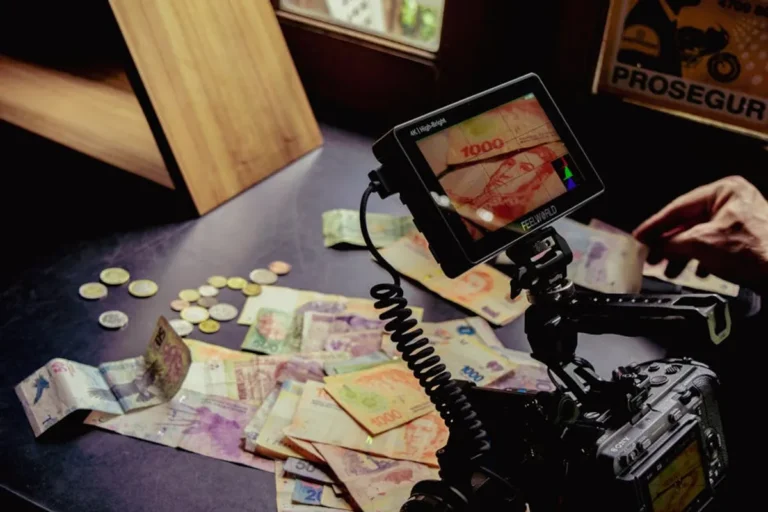
Documentary videography involves recording motion, sound, and often interviews to create a dynamic, immersive record of events or daily life. Unlike still photography, video captures the flow of action, the rhythm of speech, and the ambient sounds, offering a richer sensory experience. It's particularly effective for comprehensive event coverage, capturing the full scope of activities, and preserving spoken narratives or performances.
Best for: Comprehensive event coverage, capturing dialogue and performances, creating short films, and providing immersive experiences.
Pros:
- Offers high engagement through motion and sound, providing a rich sensory experience.
- Captures dynamic elements and timelines that still images cannot convey.
- Strong narrative potential through editing, allowing for complex storytelling.
Cons:
- Equipment can be bulky and conspicuous, potentially altering natural behavior.
- Requires significant editing time and specialized software for polished results.
- Steeper learning curve for mastering cinematography, audio recording, and post-production.
Verdict: Unmatched for delivering immersive, detailed storytelling, but it necessitates substantial investment in both equipment and post-production expertise to realize its full potential.
3. Audio Recording (Soundscapes & Interviews)
Often overlooked, audio recording captures ambient sounds, conversations, music, and spoken narratives, providing a powerful layer of documentation. A soundscape can evoke the atmosphere of a bustling market or a quiet street more effectively than visuals alone, while interviews preserve authentic voices and personal stories. This method adds depth and emotional resonance, making it an invaluable complement to visual media or a standalone documentation form.
Best for: Podcasting, oral histories, sensory immersion, adding depth to visual media, and preserving authentic voices and musical performances.
Pros:
- Equipment is often lightweight and discreet, allowing for unobtrusive capture.
- Preserves authentic voices, accents, and the unique sonic texture of a place or event.
- Creates a unique ambiance and emotional connection that visuals alone may miss.
Cons:
- Lacks immediate visual appeal, requiring careful listening for context.
- Can be challenging to contextualize audio recordings without accompanying visuals or descriptions.
- Requires dedicated attention to sound quality, minimizing background noise and distortion.
Verdict: A vital, yet often underutilized, method for creating rich, evocative documentation that deeply enhances or independently tells a story through sound.
4. Journaling & Sketching
Journaling and sketching offer deeply personal and reflective ways to document experiences. A journal allows for detailed written observations, thoughts, feelings, and anecdotes, capturing the subjective human element of an event. Sketching provides a quick, portable means to capture visual details, compositions, and impressions without the technical demands of photography. Both methods encourage heightened observation and provide a unique, unfiltered perspective.
Best for: Capturing thoughts, feelings, intricate details, personal reflection, creative expression, and preserving subjective interpretations.
Pros:
- Low cost and highly portable, requiring only a notebook and pen or sketchbook and pencils.
- Fosters acute observation skills and a deeper engagement with the environment.
- Provides a deeply personal and unique record that is immune to technical failure.
Cons:
- Not immediately shareable in a digital format without additional steps.
- Requires dedicated time for reflection and recording, which can be challenging in fast-paced environments.
- The output is inherently subjective, which may not suit objective documentation needs.
Verdict: Invaluable for personal memory and a unique, unfiltered perspective, these methods offer a tangible connection to the moment of experience.
5. Time-Lapse Photography
Time-lapse photography condenses long periods into short, visually compelling video sequences. By capturing a series of still images at set intervals and then playing them back rapidly, this method reveals patterns, changes, and the passage of time that are imperceptible to the naked eye. It's particularly effective for illustrating the evolution of an event, such as a market setting up or a festival crowd gathering and dispersing.
Best for: Capturing setup/teardown processes, crowd flow, weather changes, architectural shifts, and illustrating the progression of events over time.
Pros:
- Produces visually compelling and dramatic effects that highlight change and movement.
- Effectively illustrates progression and scale, making long processes understandable.
- Can be used to create stunning, high-impact visual content for various platforms.
Cons:
- Requires a stable setup (tripod, intervalometer) and long capture times.
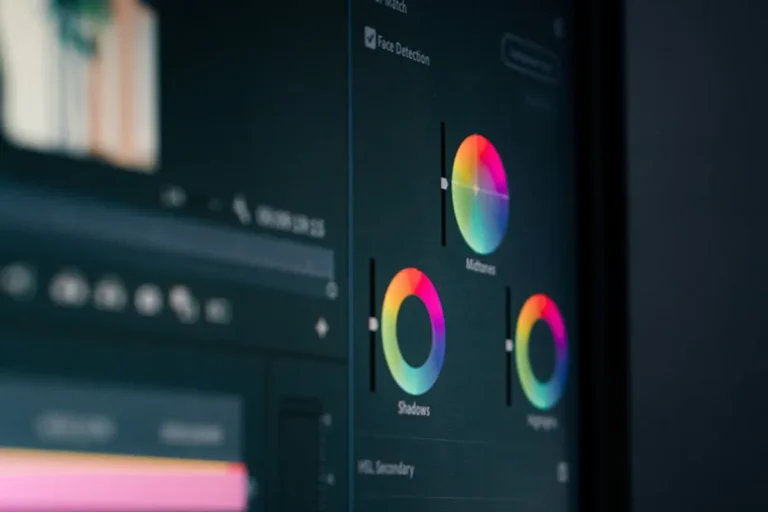
- Significant post-processing is often needed to smooth transitions and color grade.
- Vulnerable to environmental factors like battery drain, weather changes, and accidental disturbance.
Verdict: Excellent for illustrating evolution and scale, time-lapse photography demands patience, precision, and a robust setup to yield impressive results.
6. Drone Photography & Videography
Drone photography and videography offer unique aerial perspectives, providing expansive views and a sense of scale that ground-level documentation cannot achieve. From high above, drones can capture the full layout of a festival, the density of a market crowd, or the sweeping landscapes of everyday life. This method delivers stunning, high-production-value visuals that elevate the perceived quality of documentation.
Best for: Capturing overall scale, crowd dynamics, landscape context, grand openings, and providing unique vantage points for large events.
Pros:
- Delivers stunning, high-impact visuals with a professional, cinematic quality.
- Provides unique vantage points and a comprehensive overview of large areas.
- Can capture dynamic motion and transitions that are impossible from the ground.
Cons:
- Subject to strict regulations regarding airspace, privacy, and operational zones.
- Requires specialized training, licensing, and significant investment in equipment.
- Battery life limitations and susceptibility to weather conditions can restrict usage.
Verdict: Offers unparalleled scope and visual grandeur, but demands adherence to strict operational guidelines and a high degree of technical skill.
7. Portrait Photography (Environmental)
Environmental portraiture focuses on individuals within their natural or event context, capturing their personality and story while also showcasing their surroundings. Instead of isolated studio shots, these portraits place subjects within the festival, market, or daily life scene, allowing the environment to inform and enrich their narrative. This method is powerful for humanizing events and creating a personal connection with the audience.
Best for: Human interest stories, showcasing participants and vendors, creating personal connections, and highlighting the human element of events.
Pros:
- Personalizes the narrative, making events more relatable and engaging.
- Elicits empathy and builds a strong emotional resonance with viewers.
- Provides a unique insight into the individuals who populate and define a space.
Cons:
- Requires obtaining subject consent, which can be time-consuming and challenging in busy environments.
- Building rapport with subjects is crucial for authentic expressions, demanding social skills.
- Can be time-consuming, as it often involves engaging with individuals and setting up shots.
Verdict: Crucial for humanizing events and building a strong connection with the audience, but it requires sensitivity, communication, and patience.
8. Macro Photography
Macro photography specializes in capturing intricate details up close, revealing textures, patterns, and miniature worlds often overlooked by the casual observer. In the context of festivals and markets, this means focusing on the delicate craftsmanship of handmade goods, the vibrant spices in a stall, or the unique patterns on traditional garments. It adds a layer of artistic depth and highlights the finer points that contribute to the overall atmosphere.
Best for: Food markets (produce, spices), crafts, textures, small objects, unique patterns, and highlighting intricate craftsmanship.
Pros:
- Highlights craftsmanship and intricate details, adding visual interest and depth.
- Creates artistic and abstract compositions that can be highly engaging.
- Reveals hidden beauty and aspects of a scene that are otherwise missed.
Cons:
- Requires specialized macro lenses, which can be an additional investment.
- Shallow depth of field can be challenging to manage, requiring precise focusing.
- Less effective for conveying broad context or the overall scale of an event.
Verdict: A powerful method for showcasing the intricate details that define a place or product, adding a unique artistic dimension to documentation.
9. Interactive 360° Photography/Videography
Interactive 360° photography and videography create immersive panoramic views, allowing viewers to virtually explore an environment as if they were present. Using specialized cameras, these methods capture a complete spherical view, which can then be navigated by the user. This is ideal for giving a comprehensive sense of place, whether it's the expanse of a festival ground or the interior of a unique market stall.
Best for: Virtual tours, immersive event recaps, showcasing entire spaces, and providing comprehensive spatial context.
Pros:
- Offers a highly engaging and unique user experience, fostering deeper immersion.
- Provides comprehensive spatial context, allowing viewers to explore the environment freely.
- Can be integrated into websites and social media for interactive content.
Cons:
- Requires specialized 360-degree cameras and often complex stitching/editing software.
- Large file sizes can impact loading times and storage requirements.
- Compatibility with all viewing platforms and devices can sometimes be an issue.
Verdict: Delivers highly immersive experiences, making it ideal for virtual presence and exploration, but it requires specific equipment and post-production skills.
10. Mobile Journalism (MoJo)
Mobile journalism (MoJo) leverages smartphones for reporting and documentation, making it an accessible, agile, and immediate method. With high-quality cameras, microphones, and editing apps readily available on modern smartphones, individuals can capture photos, videos, and audio, and even publish content in real-time. This method is particularly effective for live reporting, quick updates, and capturing spontaneous, unpolished moments.
Best for: Live reporting, quick updates, citizen journalism, behind-the-scenes content, and rapid publishing to social media.
Pros:
- Extremely portable and always available, making it ideal for spontaneous capture.
- Cost-effective, as it utilizes equipment most people already own.
- Enables rapid publishing and real-time sharing, fostering immediate engagement.
Cons:
- Quality limitations, especially in low light or with built-in microphones.
- Battery life can be a significant constraint during extended documentation.
- Can sometimes appear less professional compared to dedicated camera equipment.
Verdict: Unbeatable for immediacy and accessibility, MoJo is an excellent method for real-time engagement and capturing authentic, on-the-spot content.
11. Text-Based Storytelling (Blogging/Articles)
Text-based storytelling, through blogs, articles, or detailed reports, provides depth, context, and personal reflection that visuals alone cannot fully convey. This method allows for the exploration of cultural significance, historical background, personal anecdotes, and detailed explanations of processes or traditions. It is crucial for providing narrative structure, building authority, and ensuring that the nuances of an experience are fully understood.
Best for: Explaining cultural significance, sharing personal anecdotes, detailed reports, historical records, and providing deep contextual understanding.
Pros:
- Highly searchable and discoverable, attracting readers interested in specific topics.
- Allows for the articulation of complex ideas, historical context, and personal insights.
- Builds authority and credibility for the author or organization documenting the event.
Cons:
- Requires strong writing skills and a clear narrative voice to be engaging.
- Less immediate visual appeal compared to photography or videography.
- Can be time-consuming to research, write, and edit detailed accounts.
Verdict: Essential for providing narrative structure and deep contextual understanding, text-based storytelling is the backbone for comprehensive documentation.
12. Collaborative Documentation (User-Generated Content)
Collaborative documentation involves aggregating content from multiple sources, particularly user-generated content (UGC), to capture diverse perspectives and broad community engagement. By encouraging attendees or participants to share their photos, videos, and stories, a richer, more authentic, and multifaceted record can be built. This method is especially powerful for large-scale events where a single perspective would be insufficient to capture the full experience.
Best for: Large events, community projects, showcasing widespread participation, authentic views, and building a collective narrative.
Pros:
- Provides authentic and diverse viewpoints, offering a comprehensive picture.
- Fosters community engagement and participation, making individuals feel invested.
- Reduces the burden on a single documentation source, distributing the workload.
Cons:
- Quality control can be challenging, with varying levels of technical skill and content relevance.
- Requires careful rights management and consent for use of shared content.
- Potential for off-brand or irrelevant content that requires significant curation.
Verdict: Powerful for comprehensive, community-driven narratives, but it demands careful curation, clear guidelines, and effective management of contributions.
Choosing the Right Approach and Measuring Success
Selecting the optimal documentation method hinges on clarity regarding your objectives. If the aim is historical preservation, consider combining detailed text with high-resolution photography and audio. For marketing campaigns, prioritize visually engaging content like videography, drone footage, or street photography that evokes emotion and immediate interest. Personal reflection might lean towards journaling or environmental portraits. Always align your chosen approach with your budget, available skill sets, and the intended audience for the content.
Measuring success goes beyond simple metrics. For commercial content, track engagement rates (views, shares, comments), website traffic, and conversions if applicable. For archival or educational purposes, success might be measured by the completeness of the record, its accessibility, and its ability to inform future generations. Emotional impact, as gauged by audience feedback, is also a critical, albeit qualitative, indicator of effective storytelling. Ultimately, the most successful documentation creates a lasting, resonant record that fulfills its original purpose.
Frequently Asked Questions
Q: What is the most versatile method for beginners?
A: Mobile journalism (MoJo) or journaling are excellent starting points due to their accessibility, low cost, and immediate feedback loop. MoJo offers a blend of visual and audio capture, while journaling hones observational skills.