
Curating a small photo exhibition offers a direct, impactful avenue for photographers and artists to showcase work, engage an audience, and establish a distinct artistic voice. Unlike large-scale institutional shows, a small exhibition provides greater control over narrative, presentation, and budget, making it accessible for independent artists, community groups, or specialized portfolios. The decision to curate one hinges on specific objectives: whether to test new work, generate sales, build a professional network, or simply share a focused body of work with a local audience. Success lies in meticulous planning and a clear understanding of the entire process, from initial concept to post-event follow-up.
Establishing Your Curatorial Vision
The foundation of any compelling exhibition is a well-defined vision. This initial phase dictates every subsequent decision, ensuring a cohesive and purposeful presentation.
Defining Theme and Narrative
Begin by articulating the central idea or story your photographs convey. A strong theme provides a framework for selection and arrangement, guiding the viewer's experience. Consider:
- Conceptual Focus: Is there a specific social issue, aesthetic principle, or emotional state you aim to explore?
- Series Cohesion: Do the images originate from a single project, or are you drawing connections between disparate works?
- Audience Engagement: What message or feeling do you want viewers to take away? How will the narrative unfold as they move through the space?
For example, an exhibition might focus on 'Urban Decay in Post-Industrial Landscapes' or 'The Intimate Lives of Migratory Birds.' Each choice dictates not only the images selected but also their sequencing and accompanying texts.
Understanding Your Audience and Goals
Identifying your target audience—be it art collectors, local community members, or fellow photographers—informs decisions about venue, marketing, and interpretive materials. Simultaneously, clarify your primary goals:
- Portfolio Building: Emphasize critical acclaim and professional networking.
- Sales Generation: Focus on clear pricing, contact information, and a sales strategy.
- Community Engagement: Prioritize accessibility, educational components, and interactive elements.
These objectives directly influence resource allocation and promotional efforts.
Selecting and Preparing Your Photographs
With a vision in place, the selection and preparation of your photographic works become paramount. This stage requires a critical eye and attention to technical detail.
Technical Review and Editing
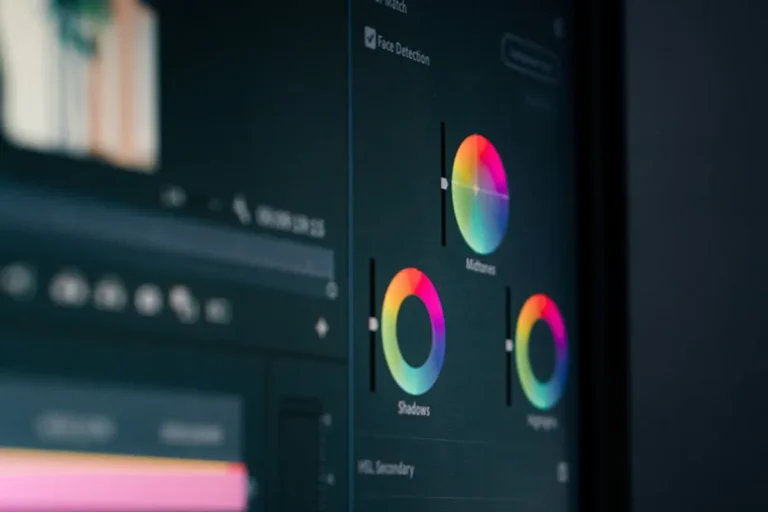
Review each potential photograph for technical quality: sharpness, exposure, color balance, and resolution. Even a strong conceptual image can be undermined by poor execution. Edit images consistently to match the exhibition's aesthetic and theme. This might involve color grading, cropping, or retouching, always with the final printed output in mind. Ensure all files are prepared at the correct resolution and color profile for your chosen printing method.
Printing and Framing Decisions
The physical presentation of your work significantly impacts its perceived value and artistic intent. Consider:
- Print Medium: Archival pigment prints, C-prints, metal prints, or canvas. Each offers distinct visual qualities and durability.
- Size: How will scale contribute to the narrative? A mix of sizes can create visual rhythm, but consistency can also be powerful.
- Mounting and Framing: Options range from simple matting and standard frames to acrylic face mounts or raw prints pinned directly to the wall. Frame choices should complement, not distract from, the artwork. Factor in cost, aesthetics, and ease of installation.
Pro Tip: Always create a test print for each unique image or printing method before committing to the full production run. This allows for color correction and quality checks under exhibition lighting conditions, preventing costly reprints.
Designing the Exhibition Space
The physical layout and presentation within the chosen venue are critical for guiding the viewer's experience and reinforcing the exhibition's narrative.
Layout and Flow Considerations
Plan the arrangement of your photographs to create a logical flow. Consider sightlines, the sequence of images, and how viewers will move through the space. Avoid overcrowding; negative space is as important as the images themselves. Create a floor plan, even a simple sketch, to visualize the placement of each piece. Group related works, establish a clear beginning and end, and ensure adequate spacing between images to allow each to breathe.
Labeling and Interpretive Text
Clear, concise labels provide essential information without overwhelming the viewer. Each label should typically include:
- Artist's Name
- Title of Work
- Year of Creation
- Medium (e.g., Archival Pigment Print)
- Dimensions (Height x Width)
- Edition Number (if applicable)
Consider a brief introductory text panel to set the stage for the entire exhibition, and possibly short interpretive texts for specific groupings of works to deepen understanding. Ensure all text is legible, professionally printed, and consistently placed.
Managing Logistics and Promotion
Beyond the artistic elements, successful exhibition curation requires robust logistical planning and strategic promotion.
Budgeting and Timeline Development
Develop a comprehensive budget that accounts for all expenses: venue rental, printing, framing, installation materials, insurance, marketing, and any opening event costs. Create a detailed timeline, working backward from the exhibition opening date, to schedule tasks like photo selection, printing deadlines, venue setup, and promotional activities. Contingency funds are crucial for unexpected expenses.
Marketing and Outreach Strategies
Effective promotion is vital for attracting visitors. Develop a marketing plan that includes:
- Digital Promotion: Social media campaigns, email newsletters, event listings on local arts calendars, and a dedicated page on your website.
- Print Materials: Postcards, flyers, or posters distributed in relevant community spaces.
- Press Outreach: Contact local newspapers, arts blogs, and community publications with a press release detailing the exhibition.
- Opening Event: Host a reception to generate buzz and encourage attendance, inviting key contacts and the public.
Post-Exhibition Procedures
The work doesn't end when the exhibition closes. Post-exhibition procedures are crucial for capitalizing on the effort and planning for future endeavors.
Carefully deinstall all works, ensuring safe handling and storage. Document the exhibition thoroughly with high-quality photographs, both of individual pieces and installation views. This serves as a valuable record for your portfolio and future promotional materials. Follow up with any interested buyers, send thank-you notes to collaborators, and analyze visitor feedback or sales data to inform your next project. This reflective process solidifies the learning experience and refines your approach for future curatorial efforts.
Maximizing Your Exhibition's Impact
Curating a small photo exhibition is a multi-faceted endeavor demanding both artistic vision and practical execution. By systematically addressing theme, selection, presentation, and logistics, you create a professional and engaging experience for your audience. The commercial utility extends beyond immediate sales, building your reputation, expanding your network, and providing a tangible platform for your artistic statement. Approach each stage with precision, and your small exhibition can yield significant returns.
Frequently Asked Questions
How much does a small photo exhibition typically cost?
Costs vary widely based on venue, print quality, framing, and marketing efforts. A very basic exhibition in a community space might start from a few hundred dollars for prints and materials, while a more polished show in a rented gallery could easily run into several thousands, including insurance and promotion.
How long should a small exhibition run?
For smaller venues or independent artists, a typical run is often 1-4 weeks. This duration allows for multiple viewing opportunities without excessive rental costs, while maintaining a sense of urgency for potential visitors.
What is the most common mistake when curating a small exhibition?
Overcrowding the space with too many images is a frequent error. This diminishes the impact of individual works and can overwhelm viewers. Prioritize quality over quantity, allowing each photograph sufficient space to be appreciated.
Do I need insurance for my exhibition?
Yes, insurance is highly recommended. Most venues require artists to carry liability insurance, and you should also consider coverage for your artworks against damage, theft, or loss during transit, installation, and the exhibition period. Check with the venue about their existing coverage and what additional policies you might need.