Photographing cultural events presents a unique challenge: capturing the essence of tradition, community, and human expression while respecting the integrity of the occasion. Success in this niche requires more than technical camera skill; it demands thorough preparation, cultural sensitivity, and an understanding of storytelling through imagery. For photographers aiming to document these vibrant gatherings, the objective extends beyond mere documentation to conveying the atmosphere and significance of each moment, often under dynamic and unpredictable conditions. This guide outlines the practical steps and considerations for producing impactful and respectful photographic narratives of cultural events. This approach is vital for preserving local identity through photography, ensuring that cultural narratives are accurately and respectfully documented for future generations.
Pre-Event Preparation: Research and Reconnaissance
Effective cultural event photography begins long before you arrive on site. Diligent research and planning are crucial for anticipating key moments, understanding the event's nuances, and securing necessary access.
Understanding the Event's Significance
Before ever raising a camera, invest time in understanding the cultural event itself. Research its historical context, specific rituals, and the community's values it represents. Identify peak emotional or visually significant points within the schedule, such as specific ceremonies, performances, or traditional greetings. Knowing these details allows you to anticipate where and when critical moments will occur, enabling you to position yourself optimally without being intrusive. This foresight directly translates into more compelling and authentic imagery, moving beyond superficial shots to capture the event's true spirit.
Securing Permissions and Access
Access is paramount. Contact event organizers well in advance to clarify media policies. Request media passes, which often grant access to specific areas or provide a level of recognition that eases interaction with participants. Clearly define the scope of your photography: will images be used for editorial purposes, commercial sales, or personal archives? Understanding and respecting these boundaries from the outset prevents misunderstandings and ensures you operate ethically. For smaller, more intimate community events, a personal introduction and explanation of your intentions can be more effective than formal requests.
Gear Selection for Dynamic Environments
The right equipment facilitates adaptability in unpredictable settings. Cultural events often occur in varied lighting conditions, from bright daylight parades to dimly lit indoor ceremonies or nighttime celebrations. Your gear choices should reflect this versatility:
- Fast Lenses: Lenses with wide apertures (f/1.4, f/1.8, f/2.8) are indispensable for low-light situations, allowing you to capture sufficient light without excessive ISO, thereby minimizing noise. These also provide shallow depth of field, helping isolate subjects.
- Versatile Zooms: A 24-70mm f/2.8 lens offers a flexible range for capturing both environmental context and closer interactions. A 70-200mm f/2.8 is excellent for capturing candid moments and details from a respectful distance without intruding.
- Multiple Camera Bodies: Carrying two camera bodies, each mounted with a different lens (e.g., a wide-angle and a telephoto), allows for rapid transitions between shots without missing critical moments due to lens changes. It also serves as a crucial backup in case of equipment failure.
- Ample Storage and Power: Fast, high-capacity memory cards are essential. Cultural events can generate thousands of images. Carry at least double the number of batteries you anticipate needing, as cold weather or heavy use can drain them quickly.
On-Site Execution: Techniques for Authentic Capture
With preparation complete, the focus shifts to execution. Your approach on site dictates the authenticity and impact of your photographs.
Mastering Available Light
Cultural events rarely pause for lighting adjustments. You must work with what's available. Prioritize natural light sources, such as sunlight, window light, or ambient indoor lighting. Avoid direct on-camera flash unless absolutely necessary, as it can be harsh, distracting, and disruptive to the atmosphere. Instead, adjust your camera's ISO sensitively, balancing the need for a bright exposure with the desire to minimize digital noise. Look for opportunities to use rim lighting, shadows, and reflections to add depth and drama to your compositions, enhancing the natural mood of the event.
Composition and Storytelling
Your photographs should tell a story. This means capturing a range of shots that provide context, highlight interactions, and showcase significant details. Start with wide shots to establish the setting and scale of the event. Move to medium shots that capture groups of people interacting or performing, conveying a sense of community. Finally, focus on close-ups to isolate expressions, intricate costumes, or symbolic objects, bringing out the emotional core and specific details of the culture. Employ classic compositional techniques like leading lines, the rule of thirds, and natural framing to guide the viewer's eye and create visual interest.
Respectful Engagement and Discretion
Pro Tip: When photographing cultural events, prioritize observation over intrusion. Position yourself strategically to anticipate key moments rather than actively seeking attention or disrupting participants. A telephoto lens can be invaluable for capturing authentic expressions from a respectful distance, ensuring you document the event as it unfolds naturally.
Your presence as a photographer should be as unobtrusive as possible. Be an observant participant rather than a demanding director. For close-up portraits, especially of individuals, always ask for permission. A simple gesture or polite question can open doors to more genuine interactions. Blend into the background by dressing appropriately and moving quietly. Anticipate moments rather than chasing them; a patient approach often yields more powerful and candid photographs. Remember, you are a guest documenting a significant occasion for others.
Post-Processing and Archiving
The work doesn't end when the event concludes. Thoughtful post-processing and meticulous archiving are essential for maximizing the impact and longevity of your images.
Culling and Selection
Begin by ruthlessly culling your images. Prioritize photographs that tell a story, evoke strong emotion, or highlight key traditions and unique cultural elements. While technical quality (sharp focus, correct exposure) is important, do not discard a powerful, emotionally resonant moment due to minor imperfections that can be corrected in editing. Aim for a cohesive selection that represents the event comprehensively and authentically.
Editing for Impact and Authenticity
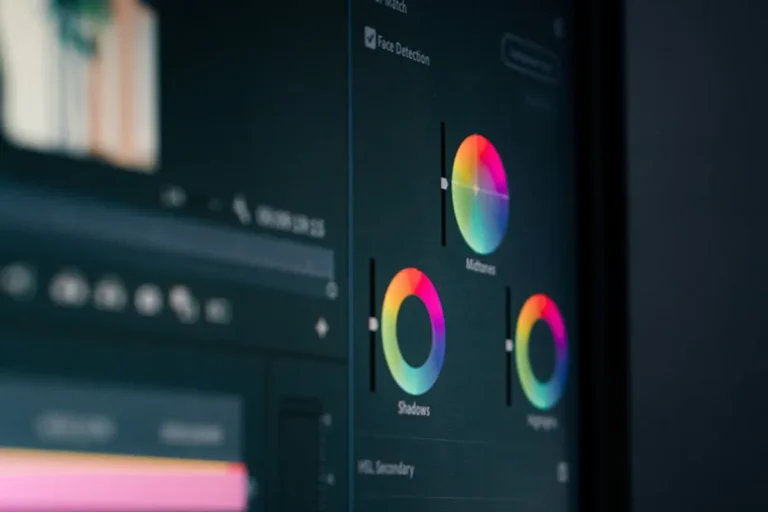
The goal of editing cultural event photography is to enhance the image without distorting reality. Maintain natural color balance and white balance to reflect the true atmosphere of the event. Avoid overly stylized edits, heavy filters, or excessive saturation that might misrepresent the cultural context. Adjust exposure, contrast, and highlights/shadows to bring out detail and depth. Cropping should be used to improve composition, remove distractions, and strengthen the narrative focus of each image.
Metadata and Archiving
Proper archiving ensures your images are findable and preserved. Embed relevant keywords into your image metadata, including the event name, location, date, and specific cultural significance or participants. Use descriptive file names that help identify content at a glance. Implement a robust backup strategy immediately, utilizing external hard drives, cloud storage, or both. This protects your valuable work from loss and makes it accessible for future use or licensing.
Beyond the Shutter: Preserving Cultural Narratives
Photographing cultural events carries a responsibility to accurately and respectfully document traditions. Your role extends beyond merely operating a camera; you are a visual historian and storyteller. By prioritizing preparation, ethical engagement, and thoughtful post-production, you contribute to the preservation of cultural narratives. These images hold significant commercial value for tourism boards, historical societies, educational institutions, and the communities themselves, serving as vital records and promotional assets that celebrate heritage and foster connection.
Frequently Asked Questions
What are the most important lenses for cultural event photography?
For cultural events, fast prime lenses (e.g., 50mm f/1.4, 85mm f/1.8) are crucial for low-light performance and subject isolation. Versatile zoom lenses like a 24-70mm f/2.8 and a 70-200mm f/2.8 are also highly recommended for their flexibility in capturing both wide scenes and distant details.
How do I get permission to photograph a cultural event?
Contact the event organizers or cultural institutions responsible for the event well in advance. Request media credentials or clarify their photography policy. For smaller community events, a polite, personal approach to key organizers or elders can often secure permission.
Should I use flash during cultural events?
Generally, avoid direct on-camera flash, as it can be disruptive and create an unnatural look. Prioritize using available natural or ambient light. If flash is absolutely necessary, consider using off-camera flash or bouncing it off a surface to create softer, more diffused lighting that blends better with the environment.
How can I ensure my photos are culturally sensitive?
Research the event's traditions beforehand to understand what is appropriate to photograph. Be discreet, avoid interrupting rituals, and always ask permission before taking close-up portraits. Focus on authentic moments without sensationalizing or misrepresenting the culture. Prioritize respect for participants and the event's spiritual or social significance.