
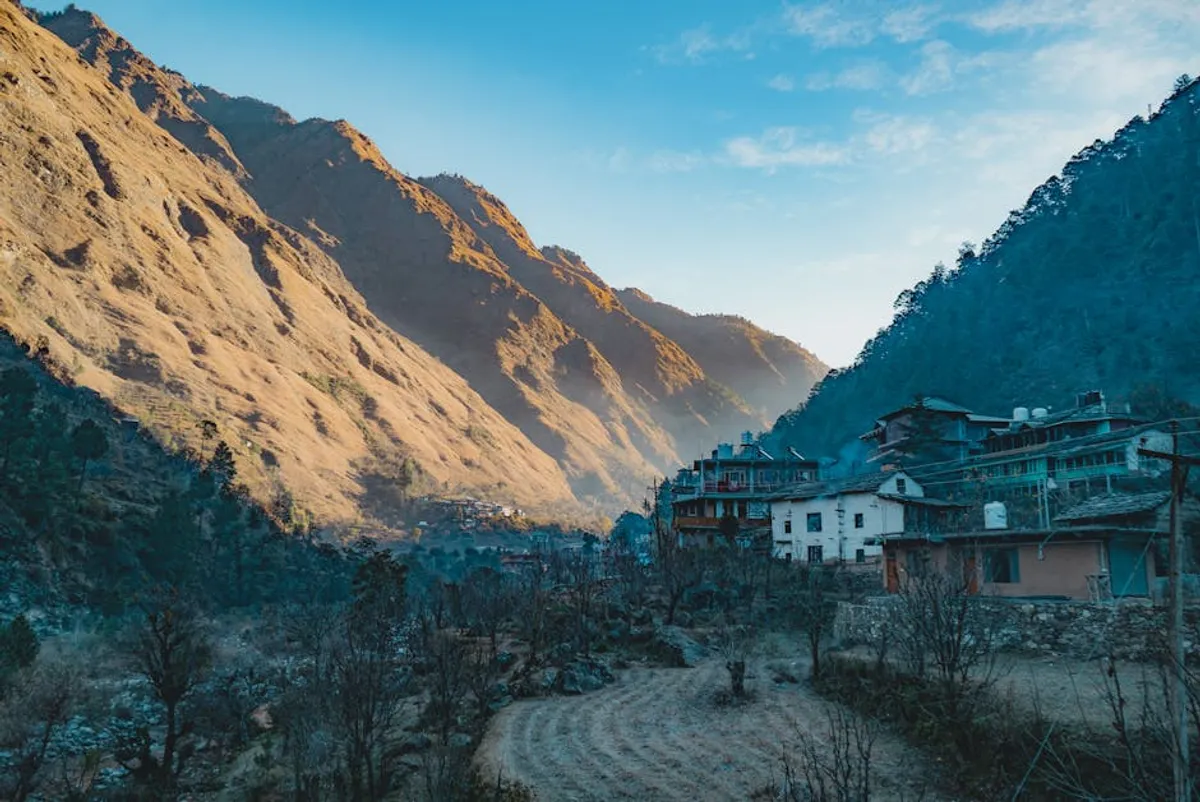
Jibhi, a quiet valley nestled in Himachal Pradesh's Banjar Valley, caters to travelers actively seeking respite from mainstream tourist circuits. This guide provides a focused overview for those evaluating Jibhi as their next destination, detailing the unique experiences it offers, essential activities, and practical advice to ensure a well-planned and authentic visit. It's designed for individuals prioritizing natural tranquility, local cultural immersion, and accessible outdoor pursuits over bustling commercial hubs.
Why Jibhi? Understanding its Appeal
Jibhi distinguishes itself through its relative seclusion and preserved natural environment, contrasting sharply with more developed hill stations. Its appeal lies in its unhurried pace and direct access to pristine landscapes, making it suitable for those who value quiet reflection and outdoor exploration.
The Serene Valley Experience
The valley itself is characterized by dense pine and deodar forests, traditional Himachali architecture, and the gentle flow of the Tirthan River's tributaries. Unlike larger towns, Jibhi maintains a village atmosphere, where daily life proceeds without significant commercial intrusion. This environment supports activities like birdwatching, short nature walks, and simply unwinding amidst natural sounds, providing a distinct experience from more crowded destinations.
Accessibility and Connectivity
While offering seclusion, Jibhi remains reasonably accessible. It's located off the Chandigarh-Manali Highway (NH3), typically reached via Aut and then a diversion into the Banjar Valley. Regular bus services connect to Aut, from where local taxis or shared jeeps complete the journey to Jibhi. This balance of remoteness and practical access makes it an attractive option for travelers who want to venture off the beaten path without enduring extreme logistical challenges.
Key Attractions and Things to Do in Jibhi
Jibhi's activities center around its natural beauty and historical elements, offering a blend of adventure and cultural exploration.
Jalori Pass and Serolsar Lake Trek
Jalori Pass, situated at an altitude of 10,800 feet, serves as a gateway to several trekking routes. The most popular is the 5-6 km (one-way) trek to Serolsar Lake, a pristine high-altitude lake surrounded by dense forests. The path is moderately challenging, involving gradual ascents and descents. The lake holds local religious significance, and a small temple dedicated to Budhi Nagin (the serpent goddess) stands beside it. This trek offers panoramic views of the Dhauladhar and Pir Panjal ranges, making it a primary draw for nature enthusiasts.
Chehni Kothi
Chehni Kothi is a towering, traditional Himachali fortified temple-tower, approximately 4-5 km from Jibhi. Constructed from local stone and deodar wood, it exemplifies indigenous architectural resilience, having survived multiple earthquakes. Originally a seven-story structure, it now stands at five stories after an earthquake in 1905. Reaching it involves a short, uphill walk from the village of Chehni, offering a glimpse into the region's historical defense and building techniques.
Jibhi Waterfall
Easily accessible via a short walk from the main road, the Jibhi Waterfall is a multi-tiered cascade surrounded by lush greenery. The area around the falls is developed with wooden bridges and seating, providing a pleasant spot for relaxation or a brief picnic. Its proximity and gentle ambiance make it a convenient natural attraction suitable for all ages.
Tirthan Valley Exploration
Jibhi is part of the larger Tirthan Valley, renowned for its inclusion in the Great Himalayan National Park (GHNP) buffer zone. Exploring areas within Tirthan Valley, such as Gushaini or Nagini, allows for further immersion in the region's biodiversity and offers opportunities for trout fishing (with permits), riverside walks, and interaction with local communities. The Tirthan River itself is a focal point for many activities.
Local Culture and Village Walks
Engaging with the local Gaddi and Kinnauri communities provides insight into their agrarian lifestyle and traditions. Simple walks through nearby villages like Bandal or Shoja reveal traditional Himachali homes, terraced fields, and local temples. These interactions offer an authentic cultural experience, often facilitated through homestays or local guides.
Practical Travel Tips for Jibhi
Effective planning enhances the Jibhi experience, ensuring travelers are prepared for the local conditions and activities.
Best Time to Visit
The ideal times to visit Jibhi are:
- March to May: Pleasant weather, blooming rhododendrons, suitable for trekking. Temperatures range from 10°C to 25°C.
- September to November: Clear skies, crisp air, vibrant autumn foliage. Excellent for photography and outdoor activities. Temperatures range from 5°C to 20°C.
- December to February: Winter offers snowfall and a serene, quiet landscape. Roads may be challenging, and temperatures can drop below freezing. Ideal for those seeking a snowy retreat.
Avoid the monsoon season (July-August) due to heavy rainfall, which can cause landslides and disrupt travel.
Accommodation Options
Jibhi primarily offers homestays, guesthouses, and a few eco-resorts. These options provide a more intimate and personalized experience compared to conventional hotels. Booking in advance, especially during peak seasons (spring and autumn), is advisable due to limited availability. Many accommodations also offer home-cooked local meals.
Getting Around Jibhi
Within Jibhi, most attractions are accessible by walking. For longer distances, such as to Jalori Pass or Chehni Kothi, local taxis are available for hire. Shared jeeps also operate on fixed routes, providing a more economical option for inter-village travel.
Pro Tip: Mobile network connectivity in Jibhi can be inconsistent, particularly for data services. While some homestays offer Wi-Fi, it's prudent to download offline maps and essential information before arrival. Consider carrying a local SIM card with a reliable provider like Jio or Airtel, though even these can be patchy in remote pockets.
Packing Essentials
Regardless of the season, pack layers of clothing. Evenings can be cool even in summer. Include comfortable walking shoes or hiking boots, a rain jacket or umbrella, a basic first-aid kit, insect repellent, and a power bank. For winter visits, heavy woolens, gloves, and caps are indispensable.
Responsible Tourism Practices
To preserve Jibhi's pristine environment, practice responsible tourism. Avoid littering, especially plastics. Respect local customs and traditions, and seek permission before photographing people. Support local businesses by purchasing handicrafts or dining at small eateries.
Planning Your Jibhi Experience
Jibhi offers a compelling alternative for travelers seeking a genuine Himachali experience away from commercialized tourist hubs. Its blend of accessible natural beauty, cultural heritage, and opportunities for quiet introspection makes it a distinct destination. By focusing on responsible travel and engaging with local life, visitors can fully appreciate the valley's unique character and contribute positively to its preservation.
Frequently Asked Questions
Is Jibhi suitable for families with young children?
Yes, Jibhi is suitable for families. Many walks are gentle, and the waterfall is easily accessible. Homestays often provide a comfortable, family-friendly environment. However, longer treks like Serolsar Lake might be challenging for very young children.
What are the food options available in Jibhi?
Food in Jibhi largely consists of local Himachali cuisine and common Indian dishes. Homestays typically offer home-cooked meals. There are also a few small cafes and eateries serving basic fare like parathas, Maggi, and simple thalis. Options for specific dietary restrictions may be limited.
Are there ATMs or petrol pumps in Jibhi?
Jibhi has limited banking facilities and no petrol pumps directly within the village. The nearest ATMs and petrol stations are located in Banjar, which is about 8-10 km away. It's advisable to carry sufficient cash and ensure your vehicle is fueled before reaching Jibhi.
Is it safe to travel to Jibhi alone?
Jibhi is generally considered safe for solo travelers. The local community is welcoming, and crime rates are low. However, standard travel precautions apply: inform someone of your itinerary, avoid walking alone in secluded areas after dark, and be mindful of your belongings. Many homestays cater to solo travelers, offering a sense of community.