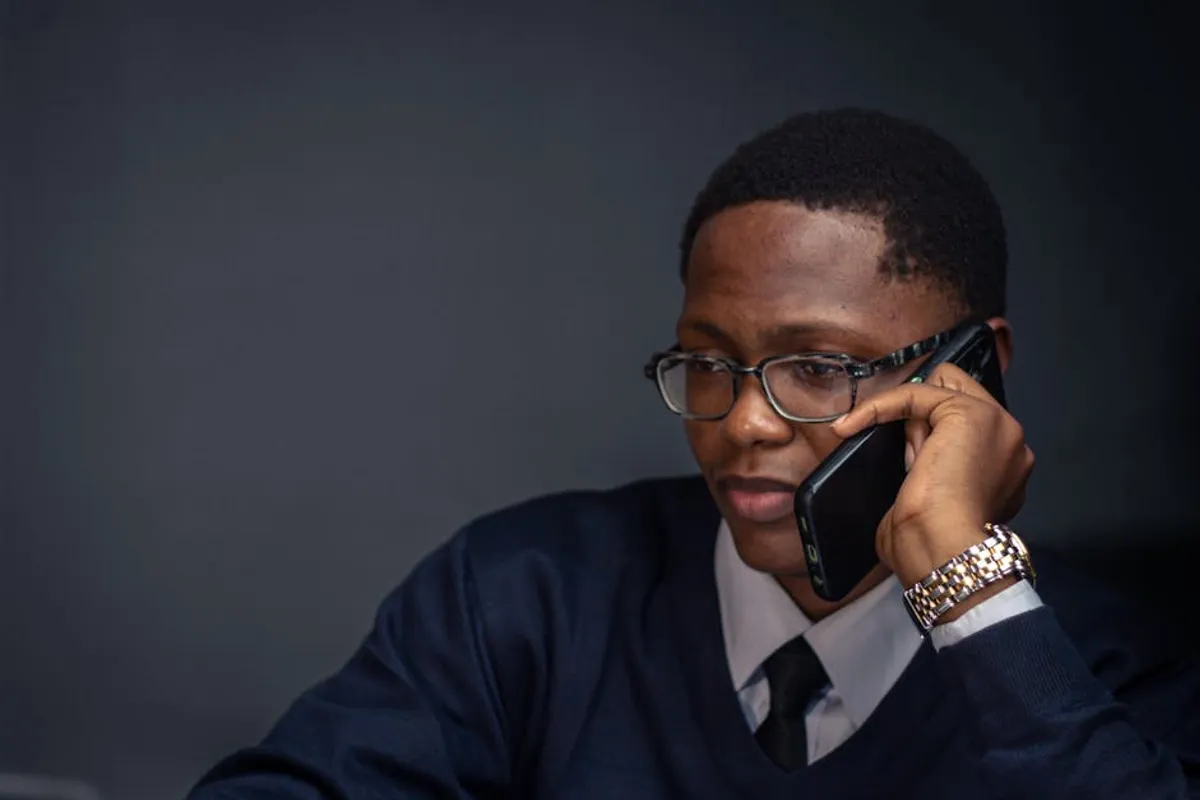
Achieving natural, authentic expressions in portrait photography is a primary differentiator for compelling images, yet it remains one of the most consistent challenges for photographers. Stiff smiles, forced poses, and a general lack of genuine emotion can undermine even technically perfect shots. The goal is not merely to capture a face, but to convey personality and connection, drawing the viewer into the subject's world. This requires a deliberate approach that extends beyond camera settings, focusing instead on psychological comfort, effective communication, and subtle guidance to elicit genuine reactions.
Building Rapport and Trust
The foundation of natural portraiture lies in the photographer's ability to establish a genuine connection with the subject. Without trust, subjects will remain guarded, leading to self-conscious expressions. This process begins well before the camera is even lifted.
Pre-Shoot Consultations
Engage in a detailed conversation with your subject prior to the shoot. This can be a phone call, video chat, or in-person meeting. Discuss their expectations, comfort levels, and any specific concerns they might have. Inquire about their interests, hobbies, and the kind of mood or story they envision for their portraits. This initial dialogue helps demystify the process for them and provides you with insights into their personality, which can inform your approach during the session. For instance, understanding a subject's introverted nature allows you to plan for a quieter, more patient shooting style rather than an overly energetic one.
Active Listening During the Shoot
During the session, prioritize listening over constant direction. Observe their body language, notice their comfort zones, and respond to their cues. If a subject seems hesitant about a particular pose or location, acknowledge their discomfort and pivot. Asking open-ended questions about their day, their work, or their passions can often lead to spontaneous smiles or thoughtful expressions. The objective is to make them feel heard and understood, not just like a model to be manipulated.
Effective Communication Techniques
Verbal and non-verbal communication are critical tools for guiding subjects toward natural expressions without making them feel overly directed.
Using Open-Ended Questions
Instead of giving direct commands like "Smile," prompt subjects with questions or scenarios that encourage genuine reactions. These questions should be designed to evoke emotion or memory. For example:
- "What's one thing that always makes you laugh, even on a tough day?"
- "Tell me about a time you felt truly proud of something you accomplished."
- "If you could be anywhere in the world right now, where would it be and why?"
- "What's something you're really looking forward to this week?"
Such prompts shift their focus away from the camera and onto an internal experience, often resulting in a natural smile, a thoughtful gaze, or a relaxed posture. These are moments of genuine connection, not forced performance.
The Power of Silence and Observation
Sometimes, the most effective communication involves no words at all. Allow for moments of comfortable silence during the shoot. This gives subjects space to relax, adjust, and simply be themselves. Use this time to observe their subtle movements, shifts in expression, and natural tendencies. Often, the most authentic portraits emerge from these unscripted intervals, when the subject momentarily forgets the camera's presence. Be ready to capture these fleeting, genuine expressions without interruption.
Pro Tip: Avoid excessive verbal direction. Constantly telling a subject what to do can make them self-conscious and lead to forced expressions. Instead, offer gentle suggestions, ask evocative questions, and allow for pauses. Let them breathe and react naturally, and be quick to capture those unposed moments.
Leveraging Environment and Props
The surroundings and objects within a scene can significantly influence a subject's comfort and expression.
Integrating Familiar Elements
If possible, shoot in a location familiar and meaningful to the subject, such as their home, workplace, or a favorite park. Familiar environments reduce anxiety and can trigger positive associations, leading to more relaxed and authentic expressions. Similarly, incorporating personal props – a favorite book, a musical instrument, a pet, or a specific piece of clothing – can provide a sense of comfort and give the subject something natural to interact with, diverting attention from the camera.
Creating a Relaxed Atmosphere
Control the ambiance to foster relaxation. Playing soft, ambient music (with the subject's permission) can help set a calming mood. Ensuring the shooting space is comfortably warm or cool, and free from distractions, allows the subject to focus on the interaction with you rather than external discomforts. Offer water or a brief break if the session is extended, demonstrating care for their well-being.
Mastering Posing and Movement
Natural expressions often accompany natural body language. Guiding movement rather than dictating static poses is key.
Guiding, Not Directing
Instead of rigid instructions, offer fluid suggestions. For example, rather than "Put your hand on your hip," try "Could you shift your weight slightly to one side, perhaps resting a hand gently?" Or, "Walk slowly towards me, looking around as if you're exploring." This encourages natural, organic movement. Demonstrate poses yourself if necessary, but emphasize that they should adapt it to their own comfort and style.
Capturing Transitional Moments
The most genuine expressions frequently occur in the moments between poses – a laugh after a joke, a sigh of relief, a moment of contemplation before repositioning. Shoot continuously and look for these fleeting, unscripted instances. These transitional moments often reveal the subject's true personality more effectively than any deliberately held pose.
Post-Processing Considerations for Authenticity
While the focus is on capturing natural expressions in-camera, post-processing plays a role in enhancing and preserving that authenticity.
Enhance, Don't Alter: Use editing software to refine the image, not to fundamentally change the expression. Adjustments like subtle color correction, contrast enhancement, and light skin retouching can improve the overall aesthetic without sacrificing the genuine emotion captured. Avoid over-smoothing skin or distorting features, as this can make the subject appear artificial and undermine the naturalness you worked to achieve.
Sustaining Naturalness Across Sessions
The ability to consistently elicit natural expressions is a skill developed over time and through conscious effort.
Practice and Self-Critique: Regularly review your portrait work, specifically analyzing the authenticity of expressions. Identify what techniques worked well and what led to stiffness. This self-critique process helps refine your approach for future shoots. Experiment with different communication styles and posing cues to build a versatile toolkit.
Observe and Learn: Pay attention to how other photographers achieve natural expressions. Study candid photography, photojournalism, and even film to understand how genuine emotion is conveyed visually. Adapt successful strategies to your own portrait practice, always prioritizing the subject's comfort and genuine reaction.
Cultivating Authentic Portraits
Eliciting natural expressions in portrait photography is a nuanced art that combines technical skill with interpersonal finesse. It demands patience, empathy, and a keen understanding of human psychology. By prioritizing rapport, employing thoughtful communication, leveraging environment, and guiding movement organically, photographers can consistently capture images that resonate with authenticity and reveal the true essence of their subjects. The most impactful portraits are those where the subject's personality shines through, unhindered by self-consciousness or artificiality.
Frequently Asked Questions
How do I get shy subjects to relax?
Start with conversation unrelated to the shoot to build rapport. Begin shooting from a distance with a longer lens, allowing them to acclimate without feeling scrutinized. Gradually move closer as they relax. Use gentle, encouraging language and avoid direct eye contact with the camera initially.
What if a subject says they "can't smile naturally"?
Acknowledge their feeling and suggest focusing on other expressions first, like a thoughtful gaze or a slight smirk. Ask them to recall a funny memory or to tell you a joke. Sometimes, a genuine laugh follows, which can be captured. Reassure them that not every photo needs a wide smile.
How can I get children to give natural expressions?
Turn the session into a game. Let them play, explore, and interact with their surroundings. Use prompts like "Show me your silliest face" or "Tell me about your favorite toy." Keep the atmosphere light and fun, and be prepared to shoot quickly to capture fleeting moments.
My subject's expressions look forced; what should I do mid-shoot?
Take a short break. Step away from the camera, chat with them, and reset the mood. Re-engage with open-ended questions or by showing them a few promising shots on your camera's LCD to boost their confidence. Change the pose or location to break the monotony and encourage fresh reactions.