Embarking on a travel photography journey requires more than just a camera; it demands strategic preparation to ensure every shot counts and no critical moment is missed. For beginners, the sheer volume of equipment and considerations can feel overwhelming, leading to overpacking, forgotten essentials, or missed photographic opportunities. This guide provides a focused checklist designed to streamline your gear selection, optimize your pre-trip planning, and establish effective practices on location, enabling you to capture stunning, memorable images without unnecessary stress or bulk.
Essential Camera Gear
The foundation of successful travel photography lies in selecting the right core equipment. Prioritize versatility and reliability over excessive specialization, especially when starting out.
Camera Body Selection
Beginners often benefit from modern mirrorless cameras or entry-level DSLRs. These offer a balance of image quality, manual control, and portability. Mirrorless systems, in particular, are gaining traction due to their smaller form factor and advanced autofocus capabilities, making them less cumbersome for extended travel. Consider models with weather sealing if your travels involve unpredictable conditions, as this provides a critical layer of protection against dust and moisture.
Lens Choices for Versatility
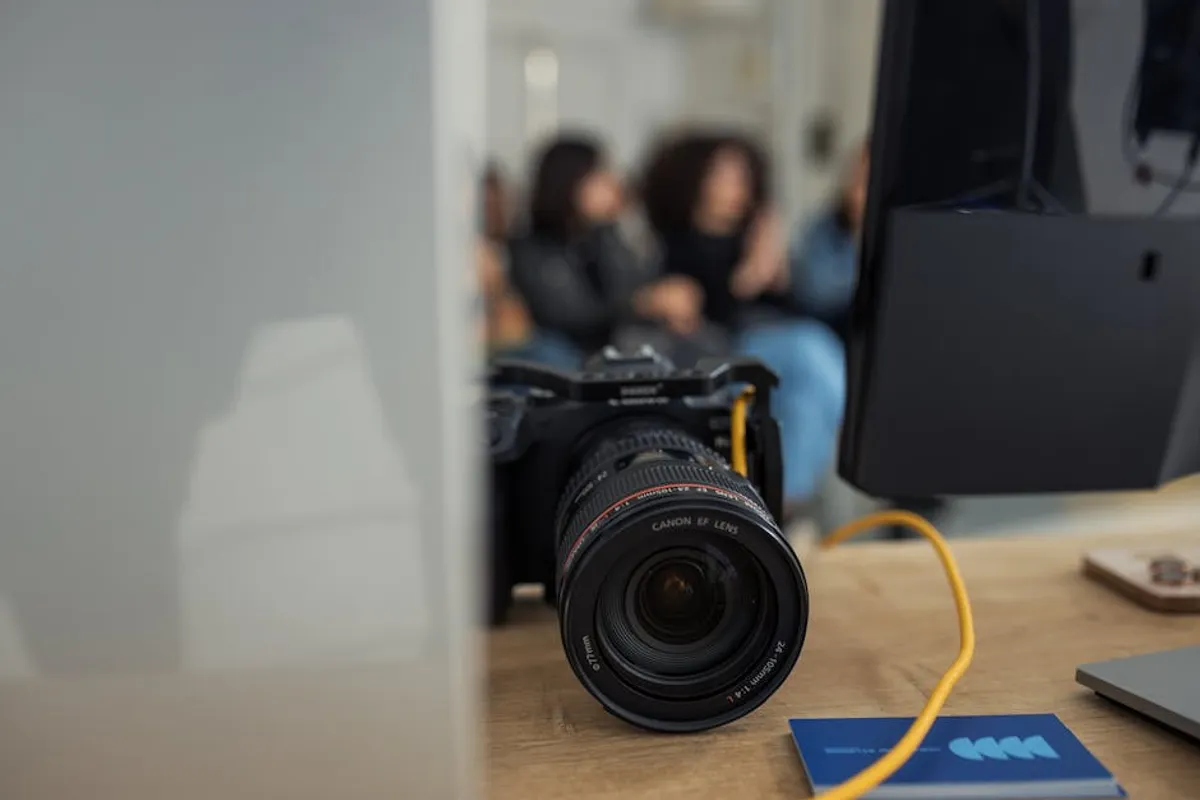
A single, versatile lens can simplify your kit significantly. A standard zoom lens (e.g., 24-70mm or 18-55mm equivalent) covers a wide range of focal lengths suitable for landscapes, portraits, and street photography. For those seeking to capture expansive scenes, a wide-angle lens (e.g., 16-35mm) is invaluable. A fast prime lens (e.g., 50mm f/1.8) offers excellent low-light performance and beautiful background blur for subject isolation, often at an accessible price point.
Power Management
Reliable power is non-negotiable. Always pack at least two spare batteries, fully charged. Battery life can diminish quickly in cold weather or with heavy use of features like live view and video. A compact, fast charger is essential, along with a power bank for on-the-go charging of smaller devices or even some mirrorless cameras via USB-C. Research the electrical outlets and voltage requirements of your destination and pack appropriate adapters.
Memory and Storage
High-speed, high-capacity SD cards are crucial. Aim for cards with write speeds of 90MB/s or higher to handle continuous shooting and 4K video. Carry multiple smaller capacity cards (e.g., 64GB or 128GB) rather than one very large card; this mitigates the risk of losing all your photos if a single card fails. For on-the-go backups, a rugged portable SSD (Solid State Drive) offers fast, durable storage without the bulk of a laptop.
Supporting Accessories
Beyond the core camera kit, certain accessories enhance your photographic capabilities and protect your investment.
Tripods and Stabilization
A lightweight, travel-friendly tripod is indispensable for low-light photography, long exposures, and sharp landscape shots. Look for models made from carbon fiber for reduced weight. For more dynamic, on-the-go stability, a compact tabletop tripod or a flexible Gorillapod can be a practical alternative for specific situations.
Filters
- Polarizing Filter (CPL): Reduces glare from water and non-metallic surfaces, deepens blue skies, and enhances color saturation. It's a critical tool for vibrant landscape photography.
- Neutral Density (ND) Filter: Allows for longer exposures in bright conditions, creating motion blur effects for water, clouds, or busy streets, without overexposing the image.
Cleaning Supplies
Dust and smudges are inevitable. A lens pen, a few microfiber cloths, and a small air blower are essential for maintaining clean lenses and sensors. Avoid using harsh chemicals or abrasive materials that can damage optical coatings.
Camera Bags and Protection
A comfortable, discreet camera bag protects your gear and makes it easier to carry. Look for bags with padded inserts, weather-resistant materials, and anti-theft features like hidden zippers or slash-proof fabric. Backpacks distribute weight effectively for long walks, while shoulder bags offer quicker access. Consider a rain cover for unexpected downpours.
Pro Tip: Before your trip, dedicate time to practice with all your gear. Understand your camera's settings, experiment with different lenses, and get comfortable with your tripod. This reduces the learning curve on location, allowing you to focus on composition and light rather than fumbling with controls.
Pre-Trip Preparations
Effective planning extends beyond packing and directly impacts the quality and authenticity of your travel photography.
Research and Planning
Investigate your destination's iconic landmarks, local culture, and potential photographic subjects. Understand the best times of day for optimal light (golden hour, blue hour) at specific locations. Research local customs regarding photography to ensure respectful interactions and avoid inadvertently causing offense.
Practice and Settings
Familiarize yourself with your camera's manual mode. Understanding aperture, shutter speed, and ISO allows for greater creative control. Practice fundamental composition rules like the rule of thirds, leading lines, and framing. Pre-set custom camera settings for common scenarios (e.g., fast action, landscapes) to quickly adapt on location.
Backup Strategy
Develop a robust backup plan. This could involve transferring photos daily to a portable hard drive, uploading them to a cloud service when Wi-Fi is available, or mailing SD cards home periodically for longer trips. Never rely solely on your camera's memory card as the only copy of your images.
Insurance and Security
Insure your valuable camera gear against theft, loss, or damage. Many travel insurance policies offer add-on coverage for electronics. Physically, use a discreet camera bag that doesn't scream "expensive equipment inside." Be aware of your surroundings, especially in crowded areas, and avoid leaving gear unattended.
On-Location Best Practices
With your gear prepared and plans in place, focus on the art of capturing the moment.
Respectful Photography
Always seek permission before photographing people, particularly in sensitive cultural contexts. Be mindful of privacy and local customs. Engage with subjects respectfully; a smile or a simple gesture can often open doors to more authentic interactions and compelling portraits.
Composition Fundamentals
Move beyond simply pointing and shooting. Actively look for strong compositions. Utilize the rule of thirds, leading lines, framing elements, and symmetry to create visually engaging images. Experiment with different angles and perspectives to add depth and interest.
Lighting Awareness
Light is the essence of photography. Pay attention to its direction, quality, and intensity. The "golden hour" (shortly after sunrise and before sunset) provides soft, warm light ideal for most subjects. The "blue hour" (just after sunset or before sunrise) offers a cool, ambient glow perfect for cityscapes and architectural photography.
Optimizing Your Travel Photography Workflow
A successful travel photography experience is a blend of preparation, technical skill, and an open mind. By systematically addressing gear, planning, and on-location practices, beginners can significantly elevate their results. This checklist serves as a foundation, allowing you to focus less on logistics and more on the creative process of documenting your journey. Remember that the best camera is the one you have with you, and the most compelling photos often arise from genuine engagement with your surroundings and a willingness to explore.
Frequently Asked Questions
What is the single most important piece of gear for a beginner travel photographer?
While the camera body is foundational, a versatile zoom lens (e.g., 24-70mm equivalent) is arguably the most important. It allows you to cover a broad range of photographic situations without needing to frequently change lenses, simplifying your kit and reducing bulk for travel.
How many spare batteries should I bring for a typical week-long trip?
For a week-long trip, carrying at least two to three fully charged spare batteries is advisable. This accounts for heavy usage, colder climates that drain batteries faster, and unexpected delays in recharging opportunities. Always pack your charger and relevant international adapters.
Is it necessary to bring a laptop for photo backups while traveling?
For most beginners, a laptop isn't strictly necessary for backups. A portable SSD (Solid State Drive) or HDD (Hard Disk Drive) paired with a device that can transfer files from your SD cards (like a smartphone with an adapter or a dedicated card reader) can be a more compact and rugged solution for on-the-go backups.
How can I protect my camera gear from theft during my travels?
Protecting your gear involves a multi-faceted approach: use a discreet, non-branded camera bag, keep your equipment insured, avoid displaying expensive gear unnecessarily, and maintain situational awareness in crowded areas. Consider using anti-theft features like lockable zippers or slash-resistant materials on your bag.