
Writing about local art scenes offers a distinct opportunity to blend cultural commentary with community engagement and commercial viability. For publishers, marketers, and independent writers, this niche provides a direct path to establishing local authority, cultivating a dedicated audience, and fostering real-world connections. Unlike broad art criticism, local art coverage demands an intimate understanding of specific geographic contexts, individual artists, and the unique dynamics that shape a regional creative ecosystem. The objective is not merely to describe art, but to interpret its relevance within its immediate environment, creating content that resonates deeply with residents, art patrons, and local businesses alike. This approach builds a valuable content asset that serves both cultural enrichment and strategic local SEO. This approach is key to effectively cover local culture and engage readers with the vibrant artistic pulse of a community.
Understanding Your Local Art Ecosystem
Identifying Key Players and Venues
Effective local art coverage begins with a comprehensive mapping of the scene. This involves more than just listing galleries. Identify the full spectrum of art spaces: commercial galleries, artist-run co-ops, non-profit exhibition halls, university galleries, public art installations, and less conventional venues like cafes or pop-up spaces that regularly host art. Beyond physical locations, pinpoint the central figures: established artists, emerging talents, curators, art educators, local historians, and community organizers who facilitate art events. Understanding these actors provides a network for interviews, event coverage, and narrative development.
Actionable: Compile a living directory of local galleries, studios, public art sites, and key individuals. Note their specialties, exhibition schedules, and contact information for future outreach.
Researching Local History and Trends
Every local art scene possesses a unique historical lineage and current trajectory. Investigate the seminal artists or movements that have shaped the area's artistic identity. Are there particular mediums or styles that historically thrive here? What contemporary trends are emerging? Is there a strong focus on social commentary, abstract expression, traditional crafts, or digital art? This historical and trend analysis provides context for current events, allowing your writing to connect individual pieces or exhibitions to a larger narrative arc. It moves content beyond simple announcements to insightful commentary.
Example: In a city with a strong textile industry past, exploring how contemporary artists reinterpret weaving or fabric art would be a relevant angle.
Crafting Compelling Narratives
Focusing on Artist Stories
Art rarely exists in a vacuum. The most engaging local art content often centers on the artists themselves. Go beyond biographical details to explore their creative process, inspirations, challenges, and their connection to the local community. What drives their work? How does their environment influence their aesthetic choices? Interviewing artists about their journey, their studio practice, and the conceptual underpinnings of their latest series provides a human dimension that captivates readers more than a purely descriptive review of their artwork.
Best for: Building audience empathy and creating evergreen content that remains relevant beyond a single exhibition cycle.
Documenting Events and Exhibitions
Timely and detailed coverage of local art events and exhibitions is crucial for establishing relevance and attracting immediate interest. This includes opening receptions, artist talks, workshops, and temporary installations. Your content should offer more than just dates and times; provide a critical perspective on the curation, highlight standout pieces, and convey the atmosphere of the event. For exhibitions, analyze the curatorial vision, the interplay between works, and the overall impact on the viewer. High-quality photography or video documentation is indispensable here.
Consider: Pre-event announcements, live coverage (if appropriate for the platform), and post-event recaps with critical commentary.
Analyzing Impact and Significance
Elevate your writing by exploring the broader impact of local art on the community. Does a public mural project revitalize a neighborhood? Does an exhibition spark dialogue on social issues? How do art education programs affect local youth? This analytical layer positions art not just as aesthetic objects, but as catalysts for community development, cultural identity, and social change. Interview community leaders, residents, and local business owners to gather diverse perspectives on art's role.
Practical: Quantify impact where possible (e.g., "The mural project saw a 15% increase in foot traffic to local businesses over three months").
Practical Content Creation Strategies
Interview Techniques for Artists and Curators
Successful interviews yield rich, authentic content. Prepare thoroughly by researching the artist's background and specific works. Formulate open-ended questions that encourage detailed responses beyond simple yes/no answers. Focus on process, inspiration, challenges, and the artist's perspective on their local scene. For curators, inquire about their vision, selection process, and the message they aim to convey. Always record with permission and transcribe carefully to ensure accuracy in quotes.
Pro Tip: "Always ask artists about their earliest memory of creating art or a pivotal moment that solidified their artistic path. These personal anecdotes often reveal profound insights into their work and resonate deeply with readers."
Visual Storytelling
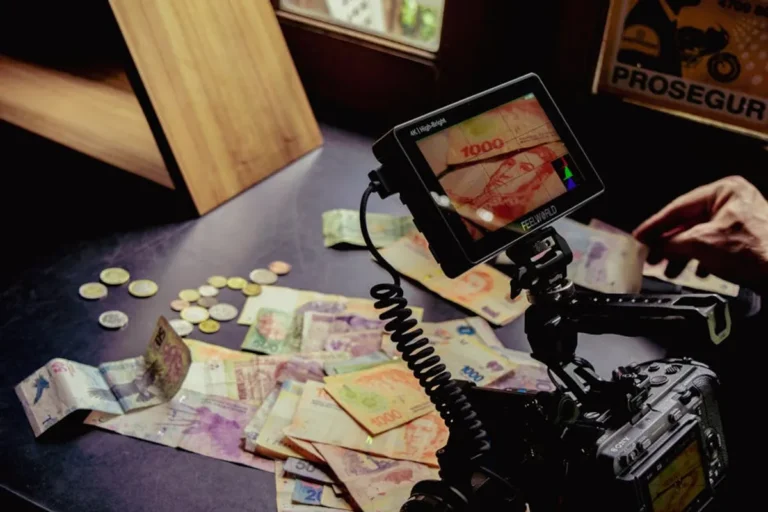
Art is inherently visual, making high-quality imagery non-negotiable. Invest in professional photography or partner with local photographers. Capture artworks from multiple angles, show details, and include contextual shots of the art in its environment or the artist at work. For digital platforms, consider short video clips of studio tours, artist interviews, or exhibition walkthroughs. Ensure all images are properly credited and optimized for web performance, including descriptive alt text for accessibility and SEO.
Essential: Obtain explicit permission from artists and galleries to photograph and publish images of their work.
Integrating Local SEO Principles
To ensure your local art content reaches its intended audience, integrate specific SEO tactics. This means optimizing for local search queries and establishing geographical relevance.
- Keyword Research: Identify terms local residents use, such as "art galleries [city name]," "local artists [neighborhood]," "exhibitions [region]," or "public art tours [town]."
- Geotagging: Include location data in image metadata and clearly state addresses and neighborhoods within the text.
- Local Citations: Link to local galleries, artist websites, and event pages. Encourage these entities to link back to your content.
- Google My Business: If applicable, ensure your platform or publication has a verified Google My Business profile with accurate information.
- Schema Markup: Implement schema.org markup for events, places, and organizations to help search engines better understand your content's context.
These practices increase visibility for users actively seeking local cultural information.
Building and Sustaining an Audience
Community Engagement and Promotion
Promote your local art content through a multi-channel approach. Share articles on local social media groups, community forums, and relevant Facebook pages. Partner with local arts organizations, galleries, and artist collectives for cross-promotion. Attend local art events not just to report, but to network and build relationships. Offline engagement, such as hosting talks or participating in local cultural initiatives, can significantly amplify your online presence and foster genuine community ties.
Monetization and Support Models
Sustaining local art coverage often requires diverse revenue streams. Explore options such as sponsored content from local businesses (e.g., a restaurant sponsoring an exhibition review, a real estate agent sponsoring a piece on public art). Offer premium content or exclusive interviews through subscription models. Seek grants from local arts councils or cultural foundations. Affiliate partnerships with local art suppliers or framing shops can also provide incremental revenue. Direct sales of art prints or merchandise featuring local artists (with appropriate agreements) represent another avenue.
Warning: Clearly delineate sponsored content from editorial content to maintain journalistic integrity and audience trust.
Sustaining Your Local Art Coverage
Consistent, high-quality content is the bedrock of sustained local art coverage. Establish an editorial calendar that balances timely event coverage with evergreen artist profiles and thematic essays. Regularly revisit your local art directory, updating information and identifying new opportunities. Solicit feedback from your audience and the local art community to refine your approach. The goal is to become an indispensable resource, not just a casual observer, ensuring your platform remains a vital part of the local cultural conversation and a valuable asset for its creators.
Frequently Asked Questions
What types of local art content perform best?
Artist interviews, exhibition reviews with strong visuals, and features on unique public art projects often generate significant engagement due to their personal connection and visual appeal. Timely event listings and recaps also perform well for immediate traffic.
How do I find local artists to feature?
Attend gallery openings, visit local art fairs, explore university art department showcases, and engage with community art groups on social media. Networking directly at these events is often the most effective method for discovery.
Should I focus on all art forms or specialize?
Initially, a broader approach can help you understand your local scene's strengths. However, specializing in a particular medium (e.g., painting, sculpture, digital art) or thematic focus (e.g., street art, indigenous art) can help establish deeper authority and attract a more targeted audience over time.
How can I monetize local art content effectively?
Diversify revenue streams: consider sponsored posts from local businesses, offering premium content subscriptions, applying for arts grants, or forming affiliate partnerships with local art supply stores or framing services. Direct sales of curated local art or prints can also be effective.