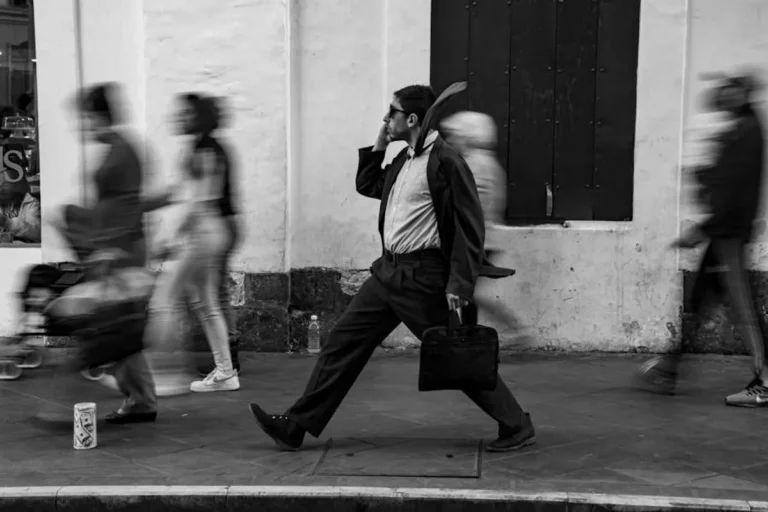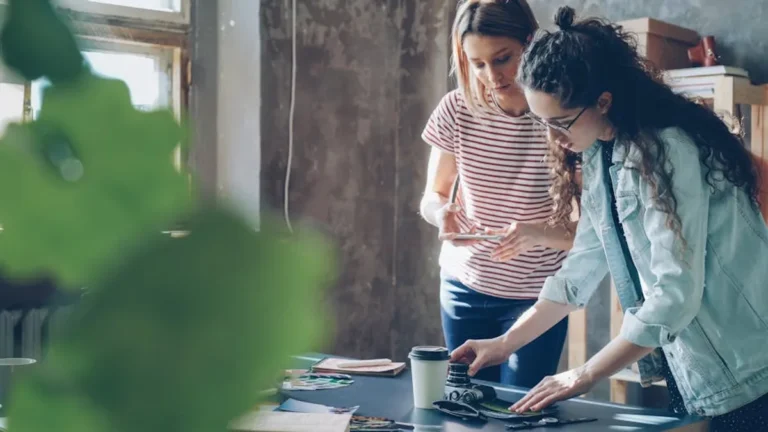
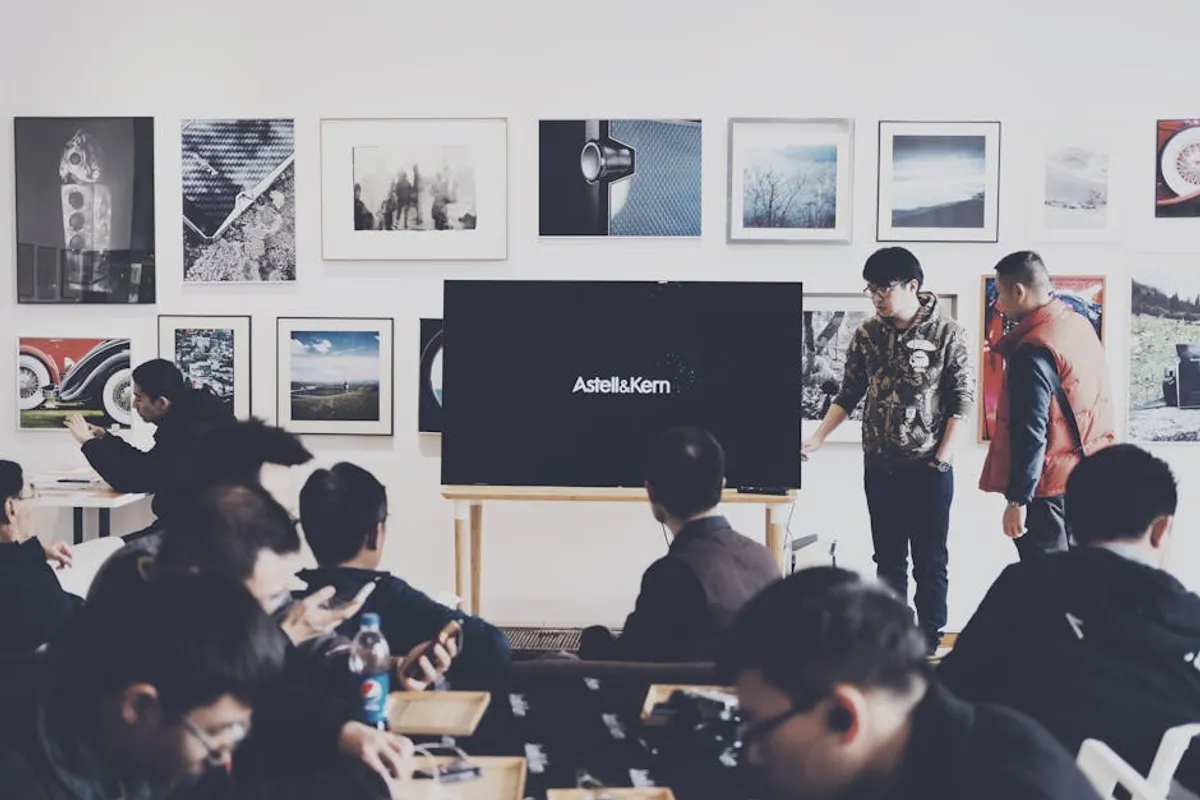
Entering the realm of art and culture photography presents a unique blend of creative opportunity and technical challenge. For beginners, the objective extends beyond merely documenting; it involves interpreting, respecting, and conveying the essence of a subject, whether that's a fleeting performance, a static sculpture, or a vibrant cultural festival. This niche demands not just an eye for composition and light, but also a deep understanding of context and a commitment to ethical engagement. Success hinges on a thoughtful approach, combining pre-visualization with on-the-spot adaptability, and prioritizing authenticity over mere aesthetic appeal. To excel in this field, consider these photography tips for travel and culture that can elevate your beginner efforts.
Foundational Principles for Capturing Culture
Research and Respect
Before raising a camera, invest time in understanding your subject. If photographing a cultural event, research its historical significance, traditions, and any specific protocols. For art installations or museum exhibits, learn about the artist, the work's intent, and the venue's guidelines. This preliminary work is not merely academic; it informs your photographic approach, helping you anticipate key moments, identify critical details, and, most importantly, avoid misrepresenting or disrespecting the culture or art form you are documenting. Understanding the narrative behind the subject allows you to capture images that resonate with deeper meaning.
Observation and Anticipation
Effective art and culture photography often relies on patience and keen observation. Instead of immediately seeking out "the shot," spend time absorbing the atmosphere. Watch how people interact with art, how performers engage with their audience, or how light falls on a historical artifact throughout the day. This period of observation allows you to anticipate moments that convey genuine emotion or significant action. Position yourself unobtrusively, blend into the environment, and be ready to capture candid interactions that reveal the true spirit of the subject.
Technical Approaches to Visual Storytelling
Mastering Available Light
Natural light is often the most flattering and authentic light source for art and culture subjects. Learn to identify its direction, quality (soft, harsh), and color temperature. Indoors, museums and galleries often present low-light conditions, requiring higher ISO settings to maintain shutter speed and prevent blur. A wider aperture lens (e.g., f/1.8 or f/2.8) becomes invaluable here, allowing more light to reach the sensor while creating a pleasing background blur that isolates your subject. Avoid using flash unless absolutely necessary and permitted, as it can be disruptive, create harsh shadows, and even damage sensitive artworks.
Compositional Strategies
Composition is the framework of your visual story. Beyond the rule of thirds, explore leading lines to draw the viewer's eye, use natural frames (archways, windows) to create depth, and pay attention to negative space to emphasize your subject. For cultural events, look for patterns, symmetry, and moments of interaction. When photographing art, consider how different angles and perspectives can highlight texture, form, or the artist's intent. Experiment with foreground and background elements to add context and visual interest.
Essential Gear Considerations
While advanced equipment is not a prerequisite, certain tools enhance your capability. A versatile zoom lens (e.g., 24-70mm or 24-105mm on a full-frame camera) offers flexibility for various scenarios, from wide shots of a venue to tighter portraits. A fast prime lens (e.g., 50mm f/1.8) is excellent for low light and achieving shallow depth of field. A stable support, such as a lightweight tripod or monopod, can be crucial for sharp images in dim environments or for long exposures of static art. Always carry extra batteries and sufficient memory card capacity, as cultural events can be unpredictable and lengthy.
Pro Tip: The most compelling art and culture photographs often stem from patience and deep observation. Instead of rushing for a shot, spend time absorbing the atmosphere, understanding the narrative, and waiting for genuine moments to unfold naturally. This approach fosters authenticity and respect for your subject.
Ethical Frameworks and Engagement
Permission and Privacy
Always prioritize obtaining consent when photographing individuals, especially in cultural contexts. A polite gesture, a smile, or a simple question can often secure permission and build rapport. Respect "no photography" signs, particularly in sacred spaces or where intellectual property is a concern. For public events, while general crowd shots are often acceptable, close-up portraits of identifiable individuals without consent can raise ethical questions. Understand the difference between public and private spaces and adjust your approach accordingly.
Non-Intrusive Presence
Your presence as a photographer should not disrupt the event or the experience of others. Use quiet shutter modes if available, avoid blocking views, and maintain a respectful distance. For performances, avoid distracting the artists or audience. The goal is to capture the moment as it unfolds naturally, not to alter it through your intervention.
Post-Processing for Impact
Enhancing, Not Altering
Post-processing in art and culture photography should aim to enhance the captured reality, not to create a false one. Basic adjustments like exposure correction, contrast enhancement, white balance calibration, and selective sharpening can bring out details and improve visual appeal. Cropping can refine composition. The key is to maintain the authenticity and integrity of the original scene. Avoid heavy filters or extreme manipulations that distort the cultural context or the true appearance of the art.
Here's a pre-shoot checklist for art and culture photography:
- Thoroughly research the event, location, or artwork's background and significance.
- Verify venue-specific photography rules, including flash restrictions and tripod policies.
- Ensure all camera batteries are fully charged and memory cards are cleared.
- Plan for anticipated lighting conditions and potential challenges.
- Dress appropriately to blend in and show respect for the cultural context.
- Scout locations beforehand if possible to identify optimal vantage points.
Developing Your Vision
Art and culture photography is an ongoing journey of learning and refinement. Begin by focusing on a specific aspect that genuinely interests you, whether it's local street art, historical reenactments, or traditional crafts. Practice consistently, review your work critically, and seek feedback from peers. Pay attention to what your images communicate and how effectively they convey the story or emotion you intended. Over time, you will develop a distinct photographic voice that reflects your unique interpretation of the world's rich artistic and cultural tapestry. As you progress, you will naturally develop skills in telling stories through photography, capturing the essence of your subjects.
Frequently Asked Questions
What's the most important gear for a beginner in this field?
For beginners, a camera with manual controls and a versatile zoom lens (like an 18-55mm or 24-70mm equivalent) is an excellent starting point. Prioritize understanding how to control aperture, shutter speed, and ISO over acquiring expensive equipment. A fast prime lens (e.g., 50mm f/1.8) is a valuable addition for low-light conditions and creating depth of field.
How do I photograph people respectfully at cultural events?
Always seek permission, either verbally or with a polite gesture, before taking close-up portraits. If you cannot ask, consider wider shots that include people as part of the overall scene rather than focusing on individuals. Be mindful of sacred rituals or private moments where photography might be inappropriate.
How can I make my photos tell a story?
Storytelling in photography involves more than just a single image. Look for sequences of events, capture details that provide context, and include environmental shots that establish the setting. Focus on expressions, interactions, and elements that convey emotion or narrative. Researching the subject beforehand helps you identify key story points.
What are common mistakes to avoid?
Beginners often make mistakes like using flash in sensitive environments, neglecting background elements that distract from the subject, or failing to check venue photography rules. Another common error is rushing shots instead of observing and anticipating moments. Over-editing photos to the point of losing authenticity is also a pitfall to avoid.