
Visual content is a primary driver for engagement, particularly in the travel and culture sectors. Generic stock photography or uninspired snapshots fail to capture audience attention in a saturated digital landscape. For publishers, marketers, and content creators, the objective is to produce imagery that not only informs but also evokes emotion, establishes authenticity, and provides a unique perspective. This requires moving beyond simple documentation to a more intentional, idea-driven approach to photography. The following curated photography ideas offer distinct pathways to creating compelling visual narratives that resonate with specific audiences, enhance brand storytelling, and differentiate content in competitive niches.
What to Look For in a Photography Idea
Selecting and executing effective photography ideas for travel and culture requires a strategic mindset. Prioritize ideas that align with your content goals, whether that's driving engagement, building brand authenticity, or educating an audience. Consider the unique narrative potential: does the idea allow for a deeper story beyond the surface? Evaluate the logistical feasibility, including required equipment, time commitment, and access to subjects or locations. Ethical considerations, particularly when photographing people or sensitive cultural sites, are paramount; ensure respect, consent, and accurate representation. Finally, assess the potential for visual impact and differentiation—can this idea produce imagery that stands out and avoids clichés?
1. Capturing Local Faces and Portraits
This approach centers on human subjects, focusing on individuals or small groups to convey emotion, character, and the unique identity of a place through its people. It moves beyond generic scenery to establish a direct, empathetic connection with the viewer. Effective execution requires sensitivity and respect for cultural norms, often involving interaction and permission, which builds trust and yields more genuine expressions.
Best For: Content aiming to build emotional resonance, humanize a destination, or tell personal stories. Ideal for travel blogs, cultural documentaries, and campaigns emphasizing community or individual experiences.
Pros:
- High Engagement: Human faces naturally draw attention and evoke empathy, often leading to higher viewer retention and shares compared to purely landscape shots.
- Authenticity: Well-executed portraits can capture genuine expressions and cultural nuances, providing a deeper, more authentic representation of a location.
- Storytelling Potential: Each face carries a story, offering rich narrative opportunities that can be expanded through accompanying text or audio.
Cons:
- Ethical Considerations: Requires careful navigation of privacy, consent, and cultural sensitivities, especially in diverse global contexts. Missteps can lead to misrepresentation or offense.
- Technical Difficulty: Achieving compelling portraits often demands proficiency in lighting, composition, and subject interaction, which can be challenging in uncontrolled environments.
- Time-Consuming: Building rapport and securing permission for meaningful portraits can require significant time and patience, impacting shooting efficiency.
Verdict: For content creators prioritizing emotional depth and direct audience connection, focusing on local faces offers unparalleled impact. Its success hinges on ethical practice and skilled interaction, yielding visuals that transcend mere documentation to become powerful cultural narratives.
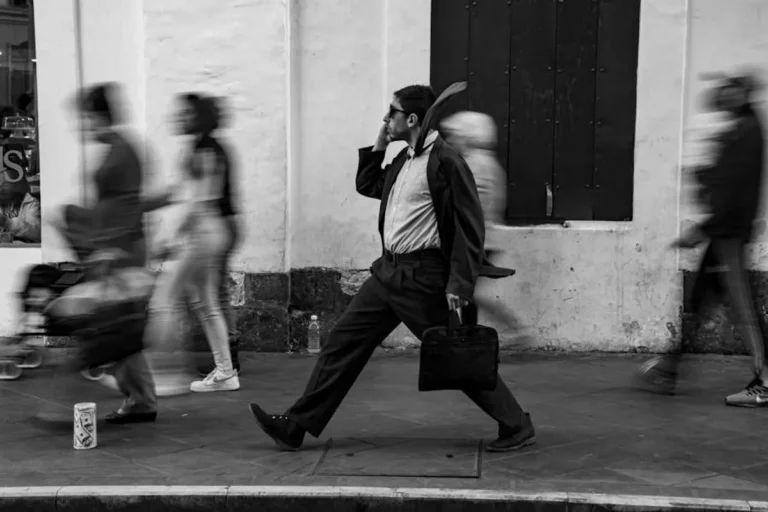
2. Documenting Everyday Life and Street Scenes
This idea involves observing and capturing candid moments of daily existence in a particular location. It emphasizes authenticity and the unscripted flow of life, showcasing how people interact with their environment, commute, socialize, and go about their routines. The goal is to reveal the true pulse of a place, often through subtle details and spontaneous interactions, providing a less tourist-centric view.
Best For: Content aiming to convey the genuine atmosphere of a place, offer a local's perspective, or explore societal dynamics. Suitable for cultural anthropology pieces, urban exploration guides, and immersive travel narratives.
Pros:
- Authenticity and Realism: Captures unposed, genuine moments that often resonate more deeply than staged scenes, reflecting the true character of a location.
- Rich Detail: Street scenes are inherently complex, offering numerous layers of visual information—from architecture to fashion to human interaction—that can be explored.
- Accessibility: Often requires minimal specialized equipment beyond a camera, as the focus is on observation and timing rather than elaborate setups.
Cons:
- Unpredictability: Relies on spontaneous occurrences, making consistent results difficult to achieve. Requires patience and the ability to react quickly to fleeting moments.
- Ethical Challenges: Similar to portraits, capturing individuals in public spaces raises privacy concerns, especially if faces are identifiable. Local laws and cultural norms vary.
- Visual Clutter: Urban environments can be visually chaotic, making it challenging to compose clean, impactful shots without distracting elements.
Verdict: This approach excels at providing an unvarnished, authentic glimpse into a destination's soul. Its strength lies in its realism, but photographers must master quick composition and navigate ethical boundaries to produce compelling, respectful imagery.
3. Highlighting Architectural Details and Urban Patterns
This concept focuses on the structural and aesthetic elements of buildings, infrastructure, and urban design. Rather than wide-angle cityscapes, it delves into the textures, lines, shapes, and repetitive patterns found in architecture. The aim is to reveal the artistic, historical, and cultural narratives embedded within constructed environments, often from unique angles or through close-up perspectives that might otherwise be overlooked.
Best For: Content focused on design, history, urban exploration, or abstract art. Ideal for architectural magazines, city guides emphasizing aesthetics, and cultural pieces exploring heritage through built forms.
Pros:
- Unique Perspectives: Encourages photographers to look beyond the obvious, finding beauty and narrative in often-ignored details and repetitive forms.
- Timeless Appeal: Architectural elements often remain constant over time, providing imagery with lasting relevance and historical context.
- Compositional Strength: Lines, shapes, and patterns inherent in architecture provide strong foundational elements for powerful, structured compositions.
Cons:
- Requires Technical Precision: Achieving sharp focus, correct perspective, and balanced exposure for intricate details can be challenging, often requiring specific lenses (e.g., tilt-shift) or post-processing.
- Static Subject Matter: Lacks the dynamic human element, potentially leading to less immediate emotional engagement for some audiences compared to people-centric photography.
- Lighting Dependency: The impact of architectural details is heavily influenced by light and shadow; optimal conditions can be fleeting or specific to certain times of day.
Verdict: For content that values precision, design, and historical depth, this idea offers a sophisticated visual language. It demands a keen eye for detail and technical skill, rewarding creators with elegant, thought-provoking imagery that showcases a destination's structural identity.
4. Showcasing Local Cuisine and Food Culture
This idea centers on capturing the preparation, presentation, and consumption of food as a window into a culture. It goes beyond mere food shots to document the entire culinary journey—from market ingredients to cooking techniques, shared meals, and dining rituals. The objective is to convey the sensory experience and cultural significance of food, highlighting local specialties and traditions.
Best For: Travel and lifestyle content, food blogs, culinary tourism promotions, and cultural features emphasizing sensory experiences. Excellent for engaging audiences interested in gastronomy and authentic local flavor.
Pros:
- High Engagement: Food photography is consistently popular, eliciting strong emotional and sensory responses, often leading to high shares and comments.
- Cultural Insight: Food is a universal entry point to understanding a culture, revealing traditions, social structures, and local ingredients.
- Visual Appeal: The colors, textures, and arrangements of food provide rich opportunities for aesthetically pleasing and mouth-watering compositions.
Cons:
- Technical Demands: Requires good understanding of lighting (often natural light), styling, and depth of field to make food look appealing and appetizing.
- Logistical Challenges: Coordinating with chefs, vendors, or families, and shooting in busy kitchens or dining settings can be complex and time-sensitive.
- Repetitive Subject Risk: Without creative angles or contextual storytelling, food shots can become generic or visually similar, failing to differentiate content.
Verdict: An indispensable idea for content aiming to connect with audiences through universal experiences. Success depends on technical skill in food styling and lighting, coupled with a narrative focus that elevates food beyond sustenance to cultural expression.
5. Framing Iconic Landscapes and Natural Wonders
This approach focuses on capturing the grandeur and unique characteristics of natural environments, from vast mountain ranges and pristine coastlines to dense forests and desert expanses. The goal is to convey the scale, beauty, and emotional impact of these locations, often emphasizing dramatic light, weather conditions, and sweeping vistas. It's about showcasing the Earth's raw, untamed splendor.
Best For: Tourism boards, adventure travel brands, environmental organizations, and content promoting outdoor activities or natural conservation. Appeals to audiences seeking inspiration, escapism, and appreciation for nature.
Pros:
- Universal Appeal: Majestic landscapes often transcend cultural barriers, eliciting awe and wonder from a broad audience.
- High Visual Impact: Large-scale, well-composed landscape shots can be incredibly powerful and memorable, serving as strong header images or hero content.
- Timelessness: Natural wonders retain their visual power over time, providing evergreen content that continues to attract viewers.
Cons:
- Logistical Challenges: Often requires travel to remote or challenging locations, involving significant time, physical effort, and specialized gear for protection against elements.
- Weather Dependency: Optimal light and atmospheric conditions are crucial for impactful landscape photography, making successful shoots highly dependent on unpredictable weather.
- Risk of Genericism: Popular iconic locations are frequently photographed, making it challenging to capture truly unique perspectives that differentiate content.
Verdict: Essential for content promoting destinations based on natural beauty, this idea delivers high visual impact. Its effectiveness relies on meticulous planning, patience for optimal conditions, and a creative eye to find fresh angles in well-trodden locations.
6. Immersing in Festivals and Cultural Events
This idea involves documenting the vibrant energy, rituals, and participants of local festivals, celebrations, and cultural gatherings. It captures the dynamic interplay of people, costumes, music, dance, and traditions. The objective is to convey the atmosphere, significance, and unique expressions of a culture during its most animated moments, offering a window into community spirit and heritage.
Best For: Cultural tourism, event promotion, ethnographic studies, and content aiming to showcase a destination's lively traditions and community engagement. Appeals to audiences seeking immersive cultural experiences.
Pros:
- Dynamic and Colorful: Festivals are inherently visually rich, offering an abundance of color, movement, and emotional expression, leading to highly engaging imagery.
- Authentic Cultural Insight: Provides a direct view into a community's traditions, beliefs, and social cohesion, offering deep cultural context.
- High Energy: The excitement and joy of events translate well into photographs, creating compelling and shareable content.
Cons:
- Fast-Paced and Unpredictable: Events are often chaotic and fleeting, requiring quick reflexes, adaptability, and a good understanding of the event's flow to capture key moments.
- Crowd Management: Navigating large crowds and securing unobstructed views can be challenging, often requiring early arrival or strategic positioning.
- Technical Demands: Variable lighting conditions (daylight, night, artificial lights) and fast-moving subjects demand proficiency in exposure settings and focus tracking.
Verdict: For content that thrives on energy, color, and direct cultural immersion, this idea is invaluable. It demands preparation, quick decision-making, and technical skill to distill the chaos of an event into impactful, narrative-rich visuals.
7. Portraying Artisans and Traditional Crafts
This concept focuses on the process of creation, showcasing individuals engaged in traditional craftsmanship, from pottery and weaving to metalwork and culinary arts. It highlights the skill, dedication, and stories behind handmade goods, often emphasizing the tools, materials, and generational knowledge involved. The goal is to celebrate heritage, manual artistry, and the human element in production.
Best For: Cultural heritage organizations, ethical tourism, artisanal product promotion, and content emphasizing sustainability, skill, and local economies. Appeals to audiences interested in craftsmanship and authentic production processes.
Pros:
- Narrative Depth: Each craft and artisan offers a rich story about tradition, skill, and cultural identity, providing compelling context for visuals.
- Authenticity and Uniqueness: Showcases genuine human endeavor and often unique, handmade products, differentiating content from mass-produced visuals.
- Visual Detail: The textures of materials, precision of tools, and focused expressions of artisans provide excellent opportunities for detailed, engaging close-ups.
Cons:
- Requires Access and Trust: Gaining permission and building rapport with artisans can be time-consuming and requires cultural sensitivity.
- Lighting Challenges: Workshops or traditional settings may have suboptimal lighting, requiring creative solutions or portable lighting equipment.
- Repetitive Action: Capturing the process without making it visually monotonous requires varied angles, focus on key moments, and attention to detail.
Verdict: This idea creates powerful, authentic narratives by focusing on the human skill behind cultural products. It demands patience and respect, but delivers imagery that is rich in detail, story, and cultural significance, resonating with audiences who value heritage and craftsmanship.
8. Exploring Local Transportation and Infrastructure
This idea involves photographing the unique modes of transport and the infrastructure that defines a location's movement and connectivity. This could include traditional vehicles, bustling train stations, intricate road networks, or even local waterways and bridges. The aim is to illustrate how people navigate their environment, revealing aspects of daily life, urban planning, and cultural adaptation to geography.
Best For: Urban planning features, travel guides focusing on logistics, cultural studies of movement, and content showcasing the dynamism of a city or region. Appeals to audiences interested in efficiency, engineering, and the rhythm of urban life.
Pros:
- Reveals Local Character: Unique transportation methods (e.g., tuk-tuks, gondolas, specific metro systems) are often iconic and immediately identify a location.
- Dynamic Compositions: Moving vehicles and bustling hubs provide opportunities for capturing motion blur, leading lines, and a sense of energy.
- Contextual Storytelling: Infrastructure photos can convey scale, connectivity, and the challenges or innovations in a region's development.
Cons:
- Safety Concerns: Shooting in busy traffic or crowded transport hubs can pose safety risks and require vigilance.
- Technical Challenges: Capturing fast-moving subjects, especially in varying light conditions (e.g., tunnels, night streets), demands precise camera settings and quick focus.
- Risk of Monotony: Without a creative approach, photos of roads or vehicles can appear mundane; requires attention to detail, light, and composition to elevate them.
Verdict: For content seeking to illustrate the practical pulse of a destination, this idea offers dynamic and context-rich visuals. It requires technical skill in capturing movement and a keen eye for finding visual interest in often utilitarian subjects, yielding insights into local life and ingenuity.
9. Finding Abstract Compositions and Textures
This approach moves away from literal representation to focus on the abstract elements of a scene: patterns, textures, lines, shapes, and colors. It involves isolating details from a larger context, transforming ordinary subjects into artistic compositions. The goal is to evoke emotion or curiosity through visual aesthetics alone, offering a unique, interpretive view of a place or culture.
Best For: Art-focused content, design blogs, experimental travel narratives, and campaigns seeking to convey mood or artistic interpretation. Appeals to audiences appreciative of visual art and unconventional perspectives.
Pros:
- Highly Differentiating: Abstract compositions are inherently unique to the photographer's eye, making content stand out from conventional travel imagery.
- Artistic Expression: Allows for significant creative freedom, transforming everyday objects or scenes into thought-provoking visual art.
- Versatile Subject Matter: Abstract elements can be found anywhere—in peeling paint, intricate carvings, water reflections, or natural patterns—making it a flexible approach.
Cons:
- Subjectivity: The impact of abstract photography can be highly subjective; what one viewer finds compelling, another might find confusing or uninteresting.
- Requires a Trained Eye: Developing the ability to see and compose abstractly takes practice and a strong understanding of design principles.
- Limited Direct Storytelling: While evocative, abstract images often require more contextual explanation or accompanying text to convey a specific cultural narrative.
Verdict: For content creators aiming for artistic distinction and a sophisticated visual language, this idea offers immense creative potential. It demands a highly developed aesthetic sense and provides imagery that can be profoundly evocative, though it may require additional narrative support for clarity.
10. Leveraging Golden Hour and Blue Hour Light
This idea specifically focuses on utilizing the unique atmospheric qualities of light during the "golden hour" (shortly after sunrise or before sunset) and the "blue hour" (the twilight period just before sunrise or after sunset). These times offer soft, warm, or cool light that dramatically enhances landscapes, architecture, and street scenes, adding mood, depth, and a magical quality to photographs that is difficult to replicate at other times of day.
Best For: Any photography genre where mood, atmosphere, and dramatic lighting are key—landscapes, cityscapes, portraits, and architectural photography. Essential for content aiming for high aesthetic appeal and emotional resonance.
Pros:
- Exceptional Light Quality: The soft, directional light minimizes harsh shadows and highlights, creating flattering conditions for almost any subject.
- Dramatic Mood and Atmosphere: The warm tones of golden hour and the cool hues of blue hour naturally evoke strong emotional responses and add depth.
- Elevates Ordinary Scenes: Even mundane subjects can appear extraordinary under these specific lighting conditions, adding significant visual interest.
Cons:
- Limited Time Window: Both golden and blue hours are brief, often lasting only 20-60 minutes, requiring meticulous planning and quick execution.
- Weather Dependency: Clear skies or specific cloud conditions are often necessary to achieve the desired light quality; overcast days can diminish its impact.
- Early Mornings/Late Evenings: Requires